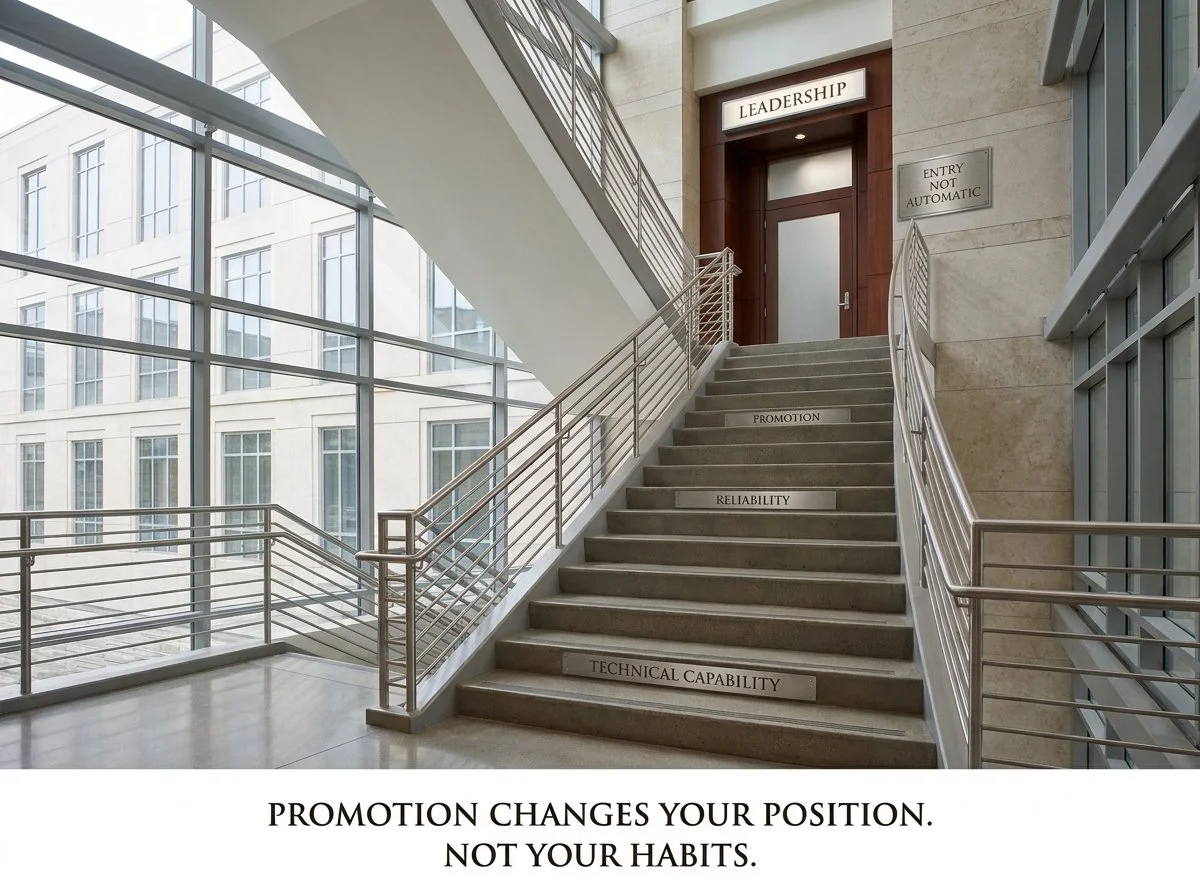
Why Promotion Doesn't Automatically Make Someone a Good Leader
We often promote people because they're technically capable, reliable and good at getting things done, then quietly expect them to behave differently the moment they become leaders. The habits that created their success don't disappear with a new title. Some become strengths. Others become the very things they now need to unlearn.
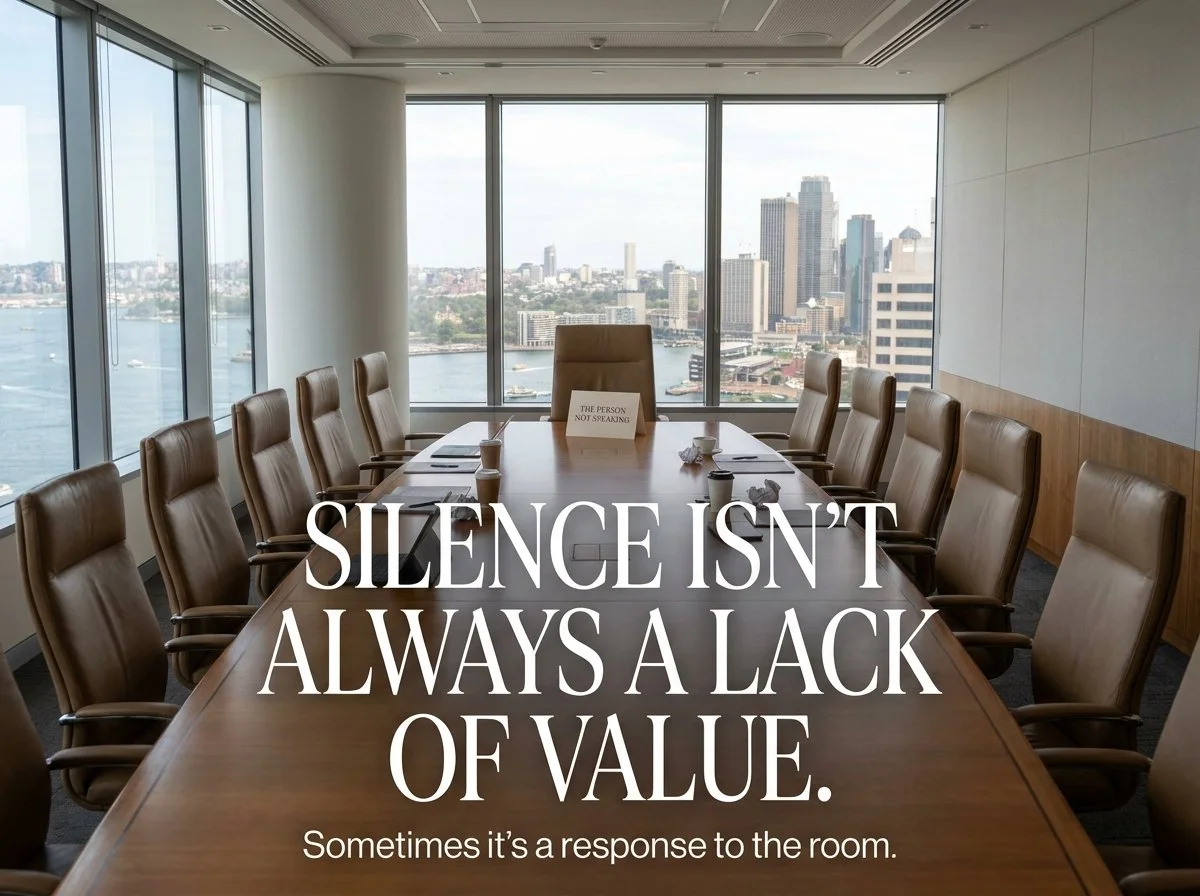
Why Employees Stay Silent in Meetings and What Leaders Can Do About It
The quietest person in the meeting is not always the least engaged. Silence can mean someone is processing, disagreeing, reading the room, or deciding that speaking up is not worth the risk. This article explores what workplace silence can really mean, why leaders often misread it, and practical ways to create better conditions for people to contribute.

From Competence to Legacy: The Five Stages of Leadership Progression
Most leadership development teaches isolated skills, leaving managers with a fragmented toolkit. Discover why true leadership requires a coherent progression of identity—from baseline capability to lasting legacy—and how a structured ecosystem simplifies your growth.
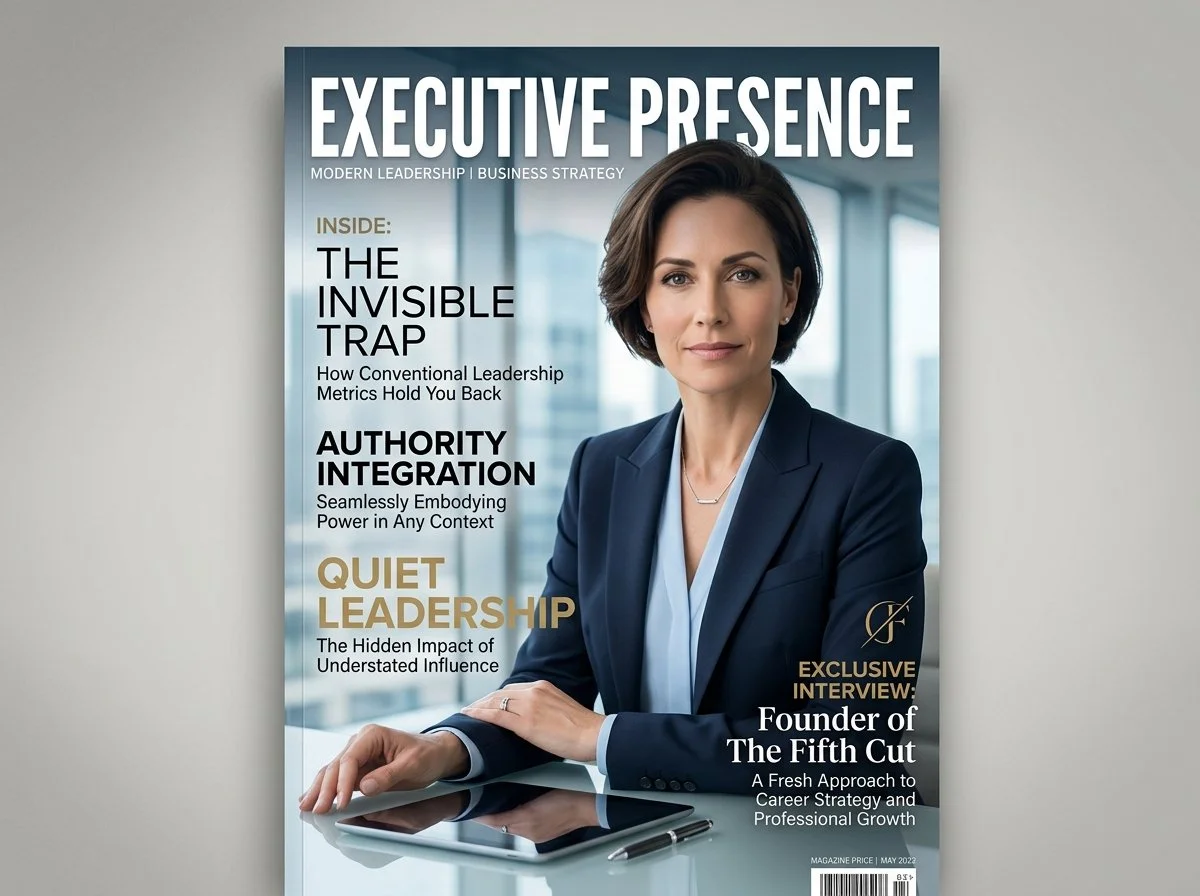
Executive Presence Is an Act of Subtraction
The biggest misconception about executive presence is that you need to add complex habits or theatrical confidence. Discover why real authority is an act of subtraction, and how removing the noise allows true presence to appear.
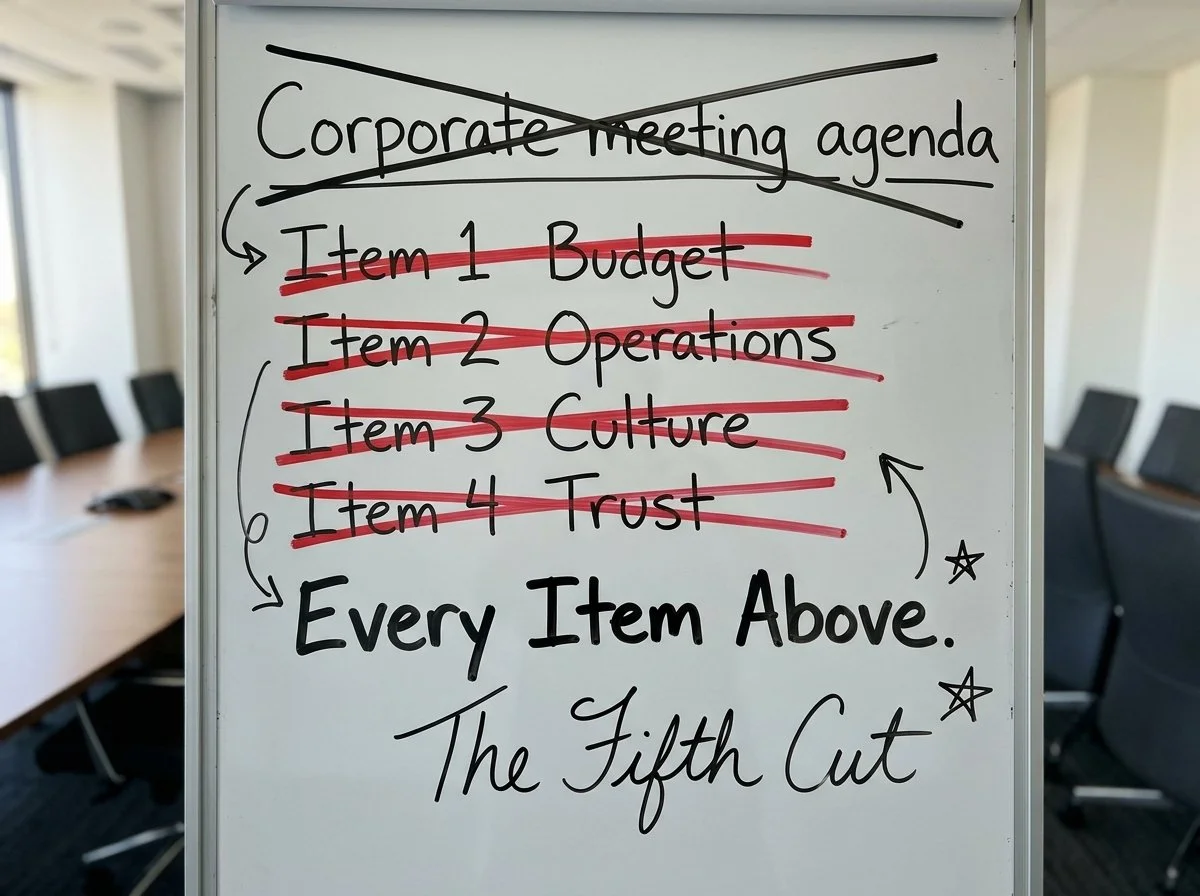
The Agenda Delusion: Why Leadership Can’t Be Compartmentalised
Most leaders don't suffer from a lack of information; they suffer from a lack of implementation. Discover why attempting to compartmentalise trust and culture into standard corporate meeting agendas fails, and how true leadership underpins every single business objective.
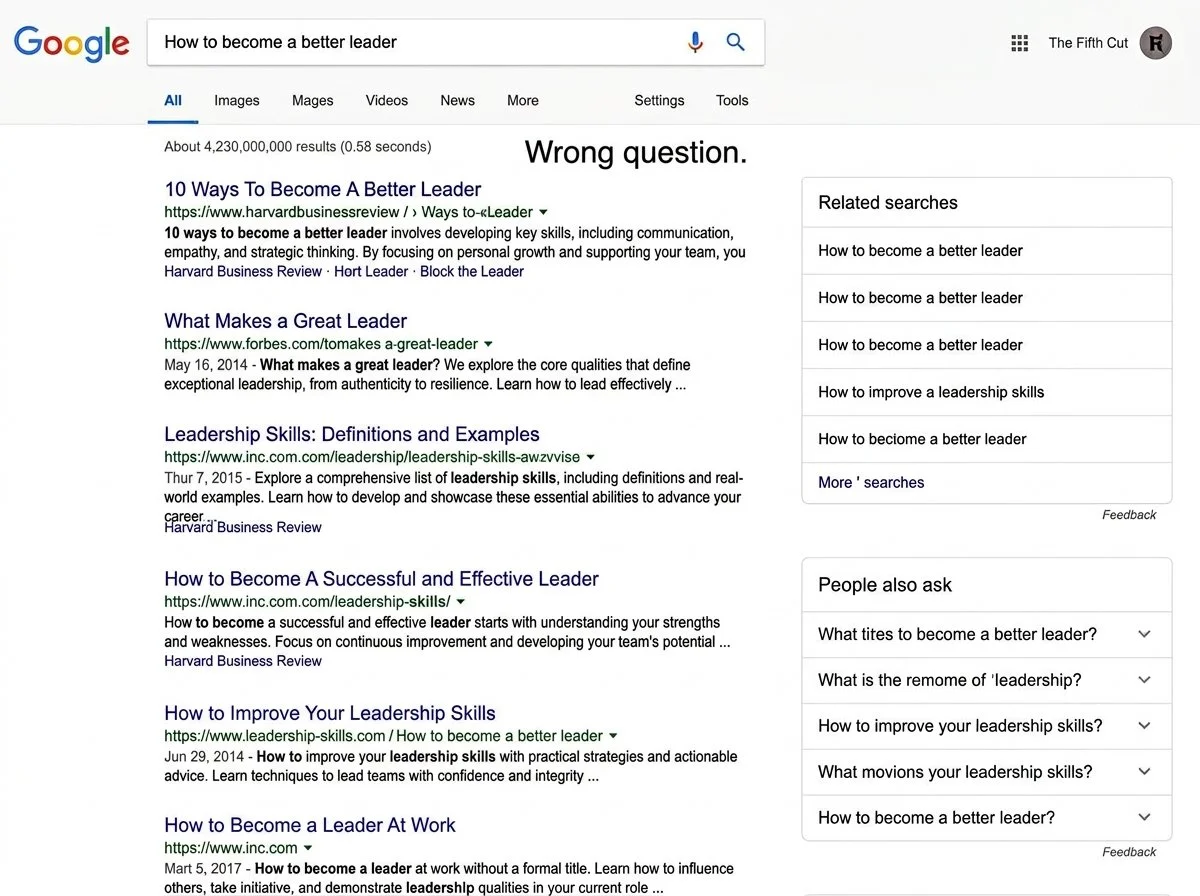
The Leadership Implementation Problem
Searching for more leadership advice is the wrong path to growth. Most leaders already know what to do; they simply struggle to consistently execute it. Discover why leadership improves through daily repetition rather than collecting more information.
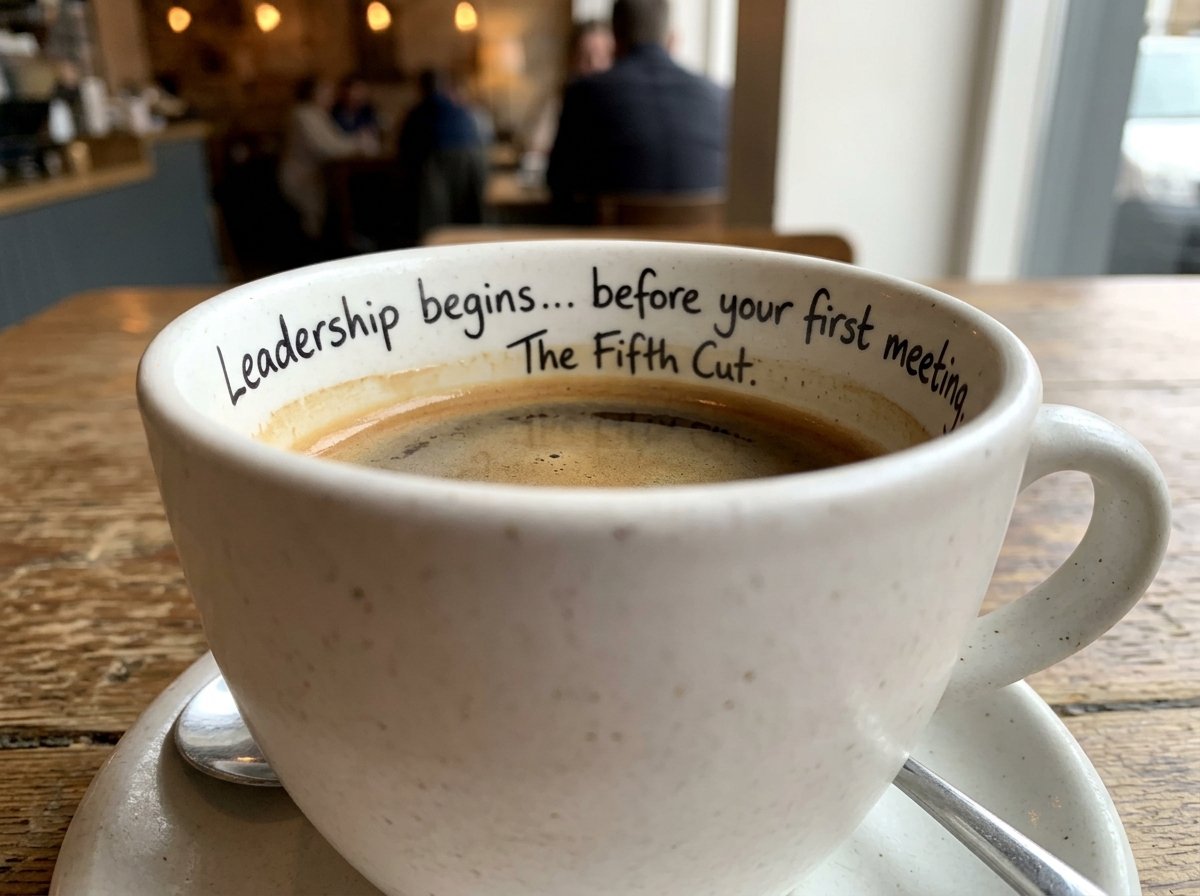
The Invisible Work: Why Leadership Begins Before Your First Meeting
Most leaders think their job starts when the meeting begins, but your team experiences your internal condition long before then. Learn how managing your morning mindset and removing outside distractions sets the foundation for true authority.

The Power of Pattern Recognition in Leadership
One thing deep experience gives you is pattern recognition. Discover why shifting your question from "What happened?" to "Where have I seen this before?" simplifies your leadership decisions and cuts through the noise of everyday opinions.
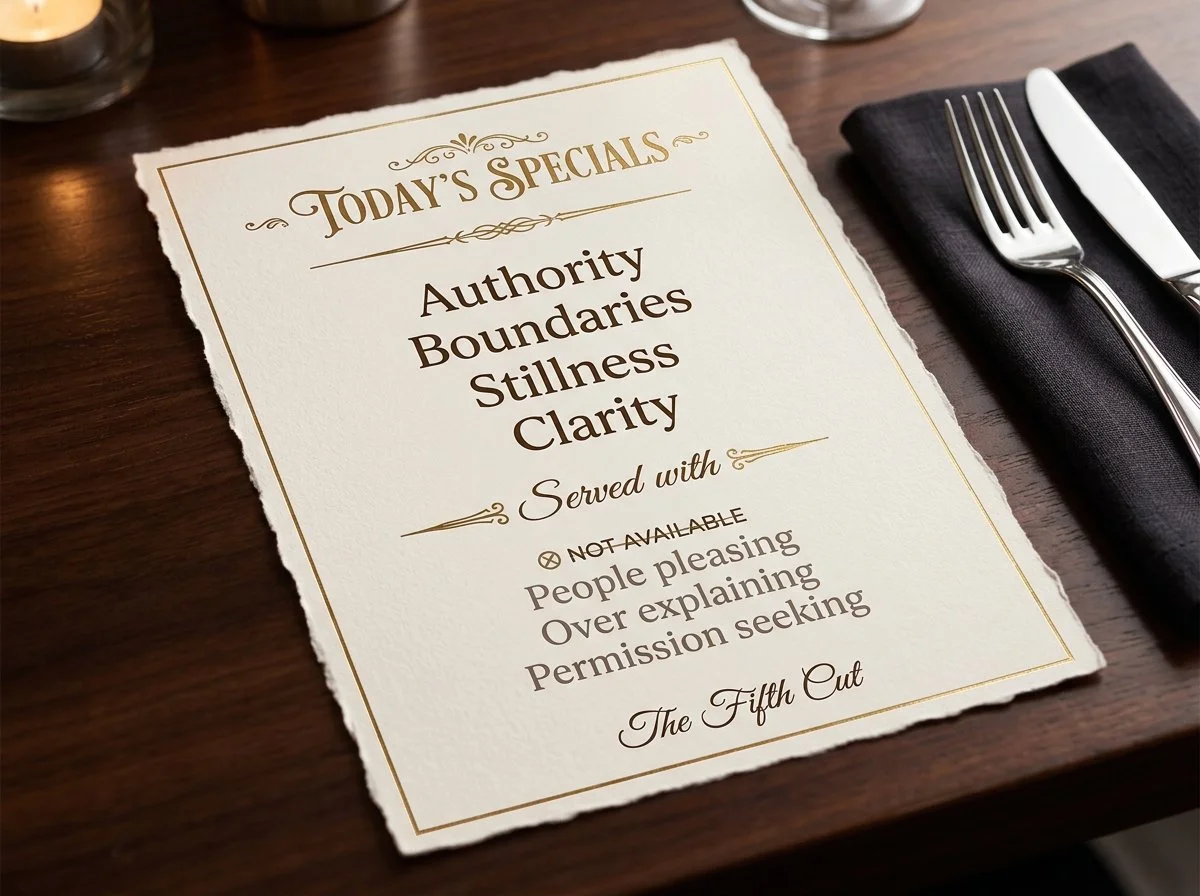
What’s on Your Leadership Menu Today?
Every interaction teaches your team exactly what to expect from your leadership. Are they leaving your office with clarity and confidence, or confusion and hesitation? Discover how to audit your daily leadership menu and strip away the habits that leak your authority.
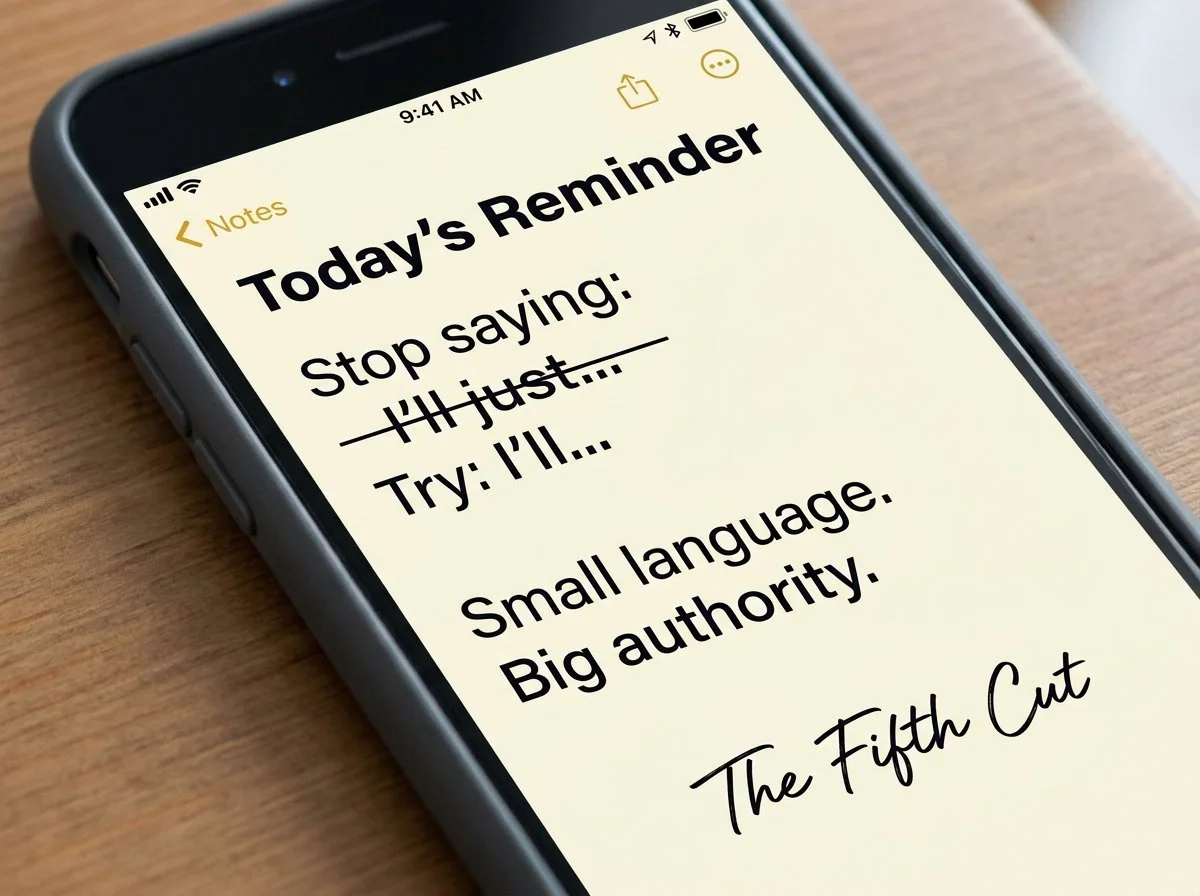
How One Word Leaks Your Authority
Authority leaks don't happen during massive corporate failures; they happen in the tiny phrases you repeat every week. Discover how eliminating a single qualifying word can instantly restore your professional authority.
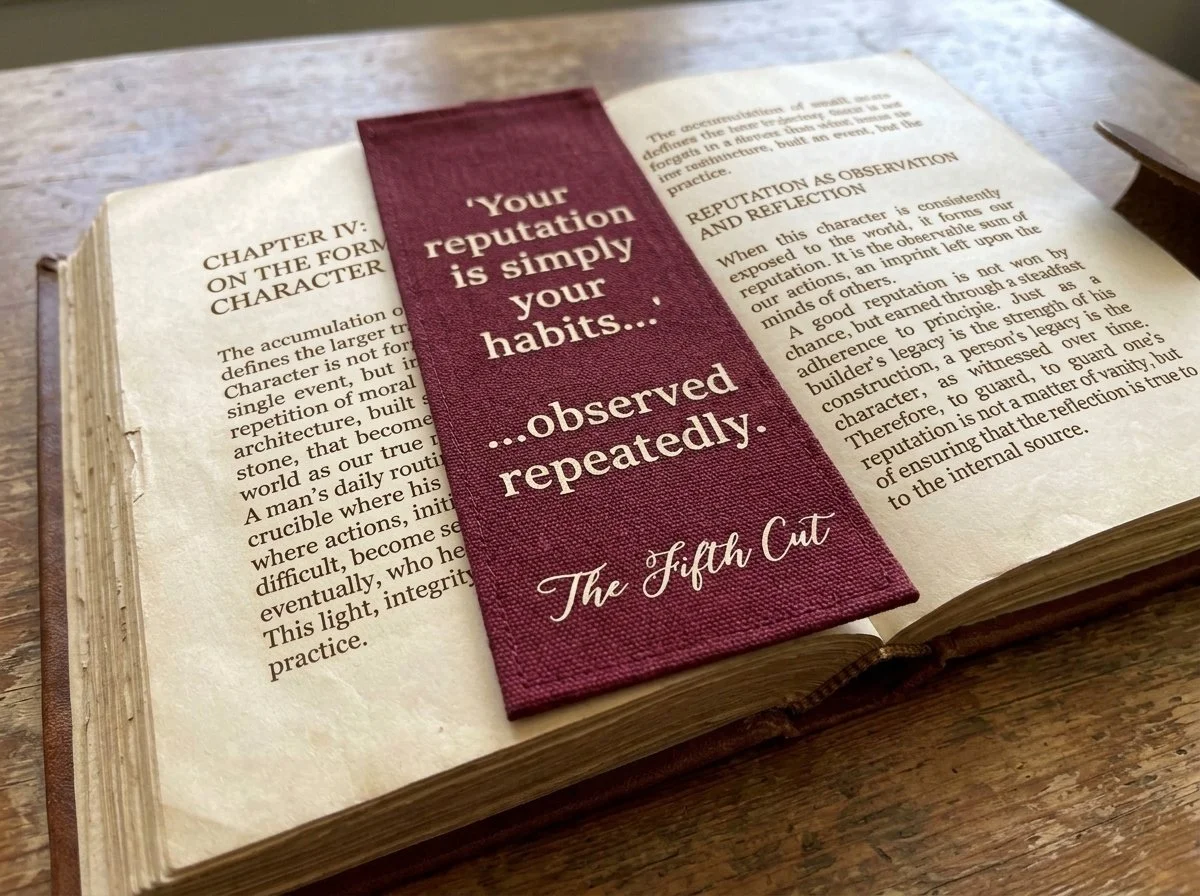
The Real Secret to Executive Presence (It’s Quieter Than You Think)
People often expect posture tips or confidence exercises when learning how to build executive presence. But real presence starts somewhere much quieter: consistency. Discover why steady behavior makes a strong reputation inevitable.
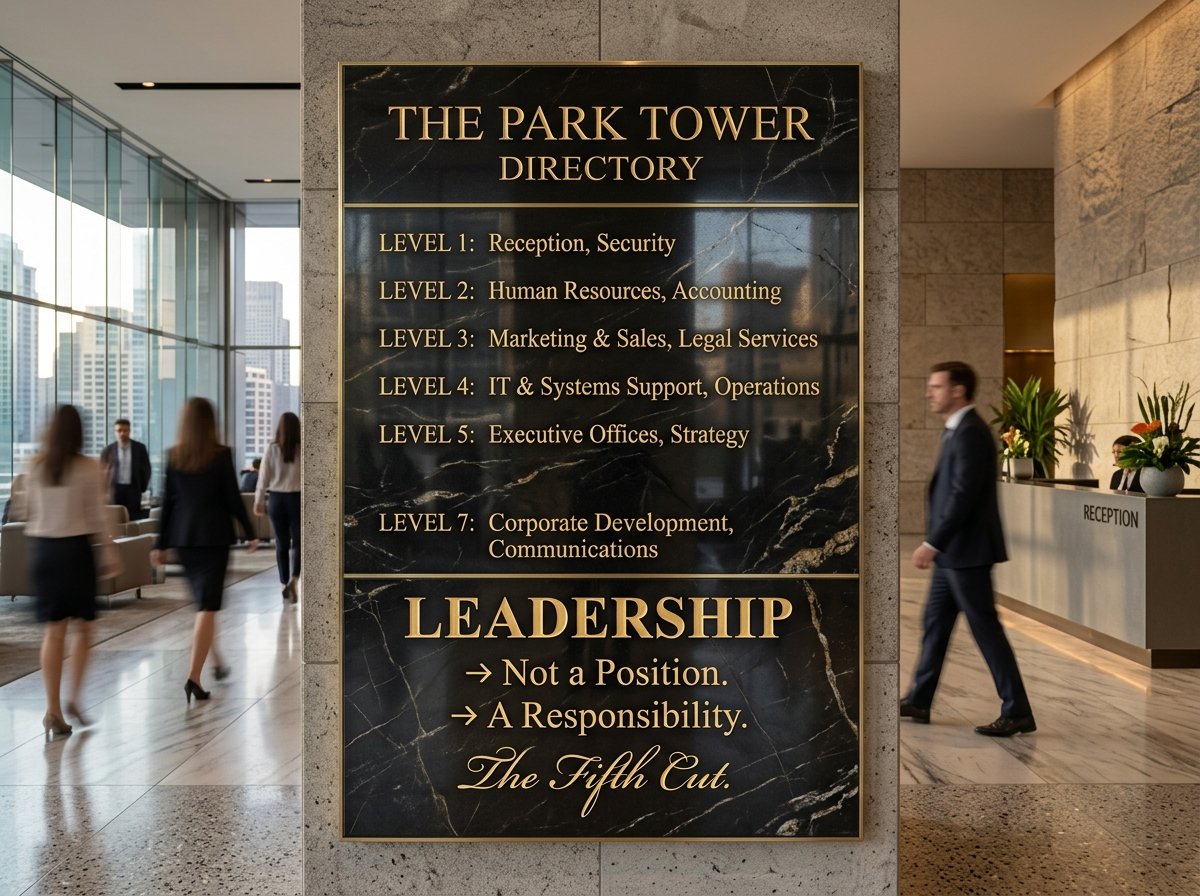
The Title vs. The Action: Redefining Leadership
Too many people chase a new title on an organizational chart instead of building real influence. Discover the fundamental difference between a promotion and true leadership, and why real impact requires changing your habits, not just your email signature.
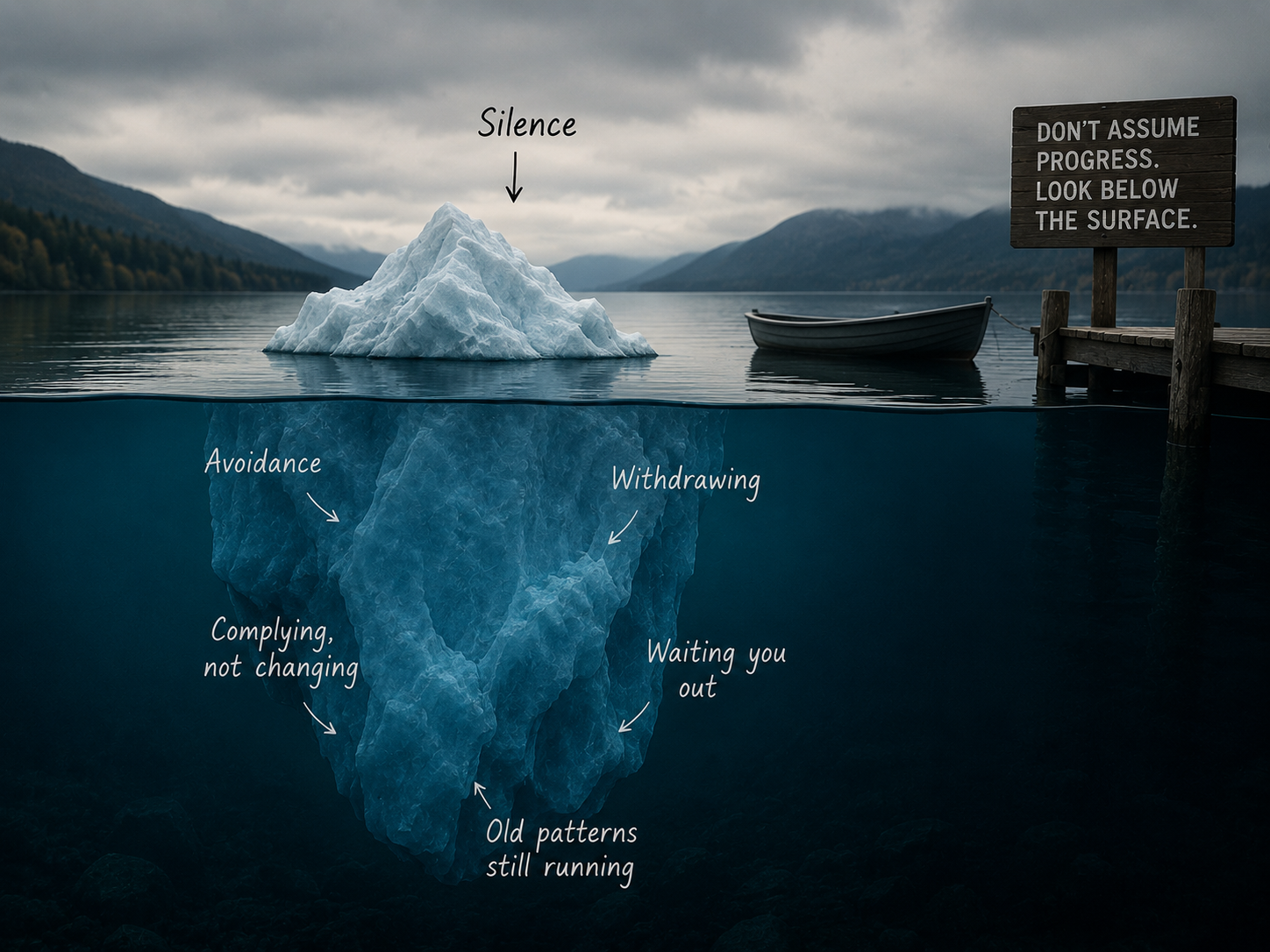
Why Silence After a Difficult Conversation Is Not Always Progress
Silence after a difficult conversation can feel like progress, but it is not always proof that behaviour has changed. This article explains why managers need to look for visible evidence, watch for behaviour drift and follow up with clarity.

The Quiet Moment Where Leadership Standards Are Lost
Leadership standards are rarely lost in the loud moment. They are often lost afterwards, when old habits return quietly and managers hesitate to follow through. This article explains why the quiet period after action matters.

What To Say 24 Hours After a Difficult Conversation
The first 24 hours after a difficult conversation can feel awkward, but silence often weakens the standard. This article gives managers practical follow-up phrases to stay clear, calm and fair after the hard conversation.

The Autonomy Burnout Effect: Why Unlimited Freedom is Exhausting Your Team
For years, autonomy was viewed as the ultimate cure for workplace stress. Give people freedom, trust them to manage their output, and burnout will vanish. But new research suggests a jarring truth: freedom becomes exhausting when you’re responsible for managing everything. Welcome to the era of the Autonomy Burnout Effect.
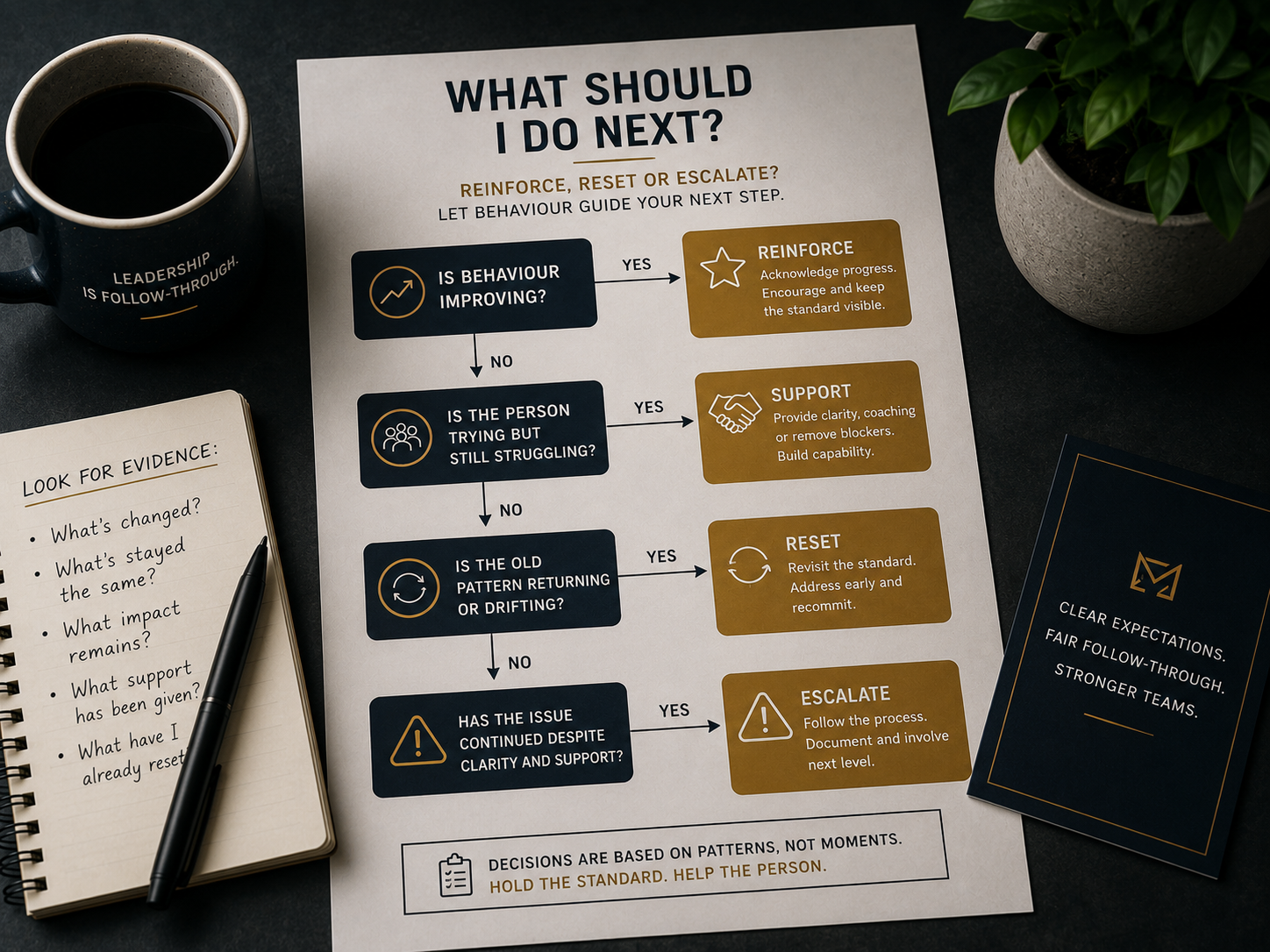
How To Know Whether To Reinforce, Reset or Escalate Behaviour
Managers often get stuck after a difficult conversation or team reset because behaviour is mixed. This article explains how to decide whether to reinforce progress, provide support, reset the standard or escalate the issue.
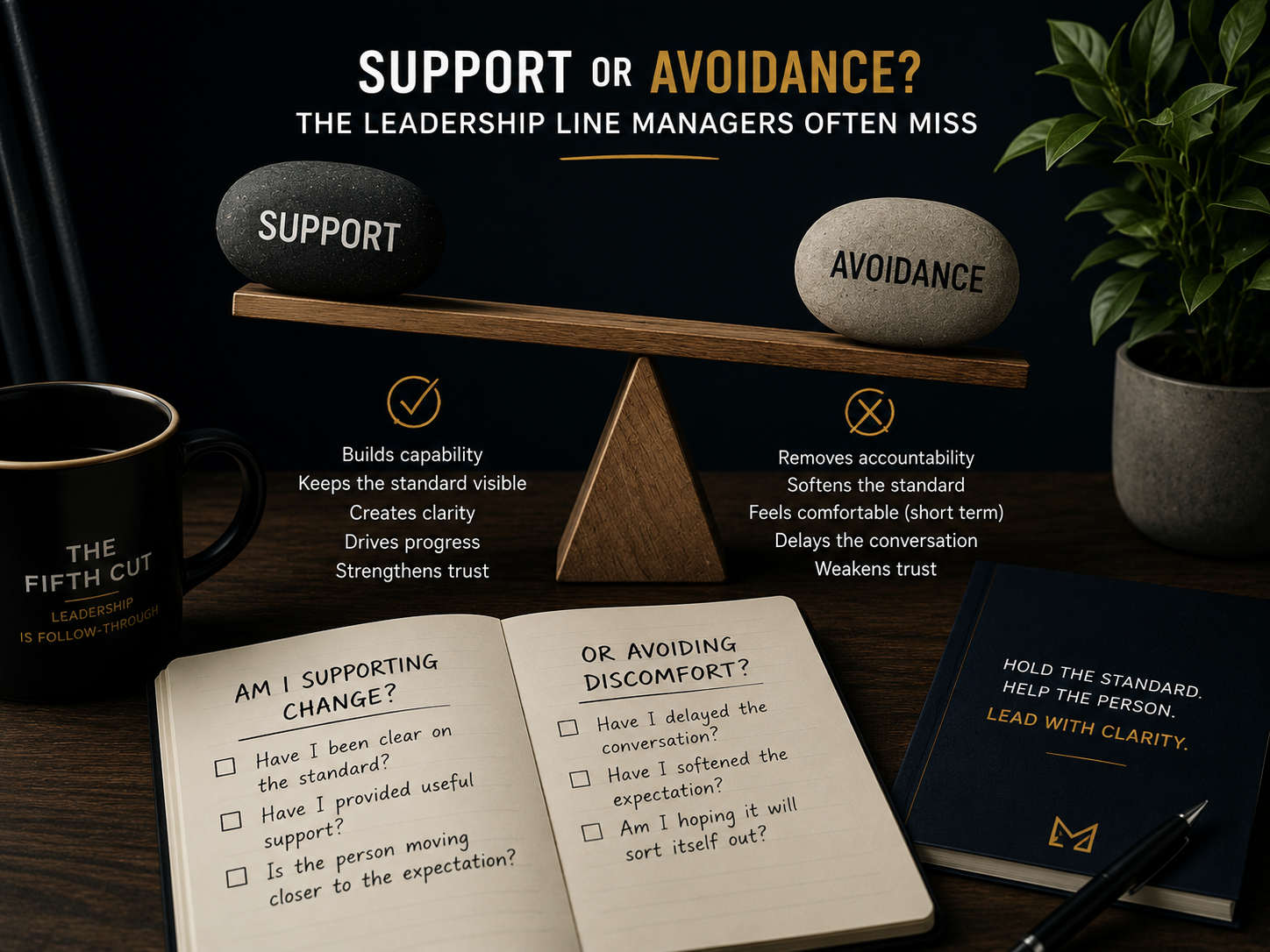
Support or Avoidance: The Leadership Line Managers Often Miss
Support matters, but it can quietly become avoidance when the standard starts to soften. This article explains the leadership line managers often miss and how to stay fair, clear and accountable after difficult moments.

The Dashboards Are Watching: The Rise of Behavioural Surveillance in People Analytics
The next generation of managers may not watch people—they may watch dashboards that watch people. As people analytics shifts from tracking performance to monitoring real-time behavior, sentiment, and attention, where do we draw the line between useful workforce data and invasive workplace surveillance?
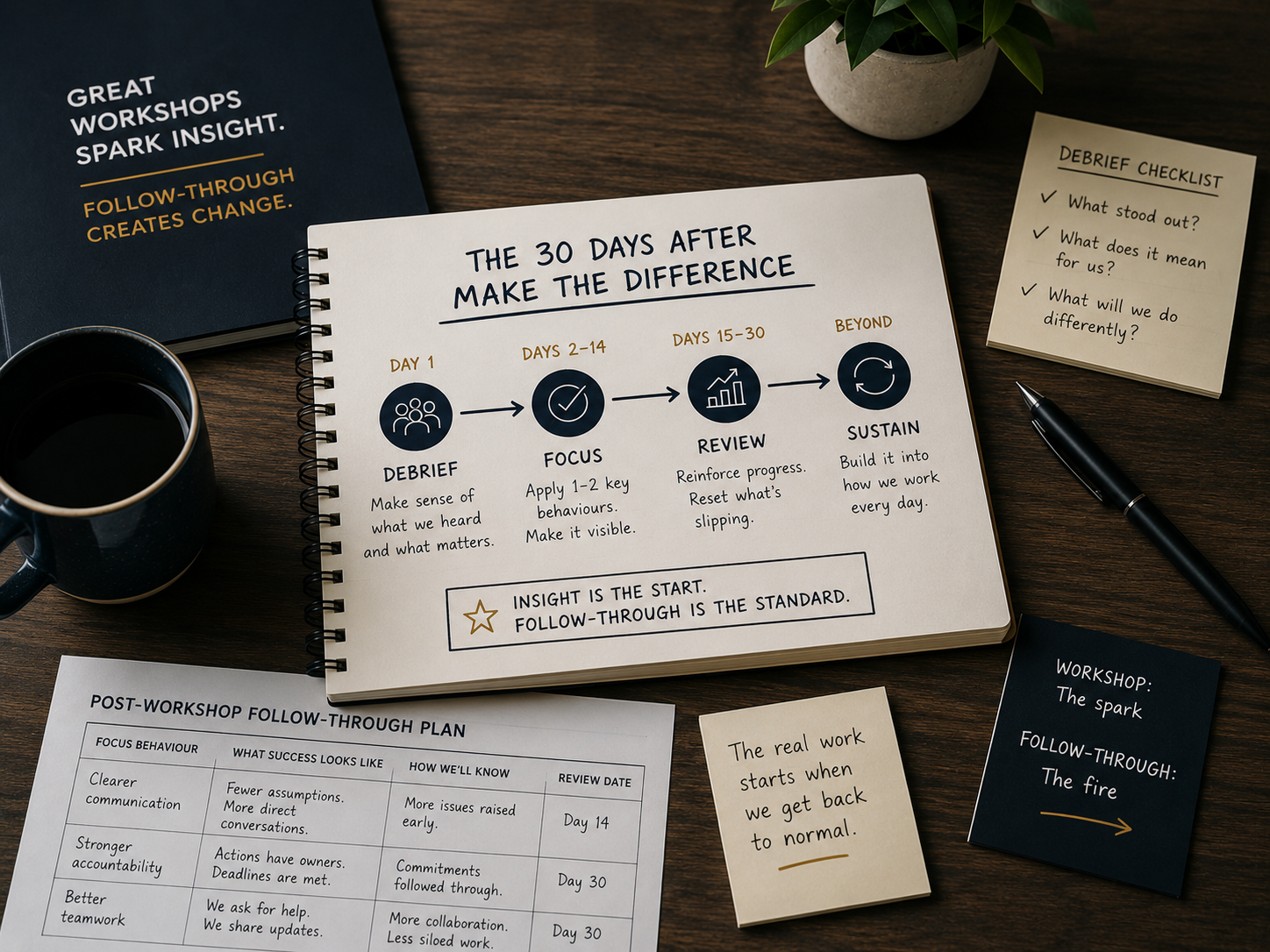
The 30 Days After a Leadership Workshop Matter More Than the Workshop
A leadership workshop can create insight, but the real test starts afterwards. This article explains why the 30 days after a workshop matter most and how managers can use a team debrief to turn ideas into behaviour.