CUT FOUR
Wisdom
When the issue is not information, but the judgement needed to interpret complexity, test assumptions and make sound decisions.

WHAT THIS CUT REVEALS
Wisdom is the layer of judgement, perspective and decision quality.
When wisdom is the issue, the leader may have experience and information, but the situation is unclear, sensitive or full of competing signals. The problem is often not knowing more, but knowing how to interpret what matters, test assumptions and choose a responsible path.
Judgement
The ability to weigh information, context and consequences before acting.
Perspective
The discipline of looking beyond the obvious explanation or loudest signal.
Decision quality
The process of choosing a path that is clear, responsible and proportionate.
WHEN THIS IS THE ISSUE
Wisdom gaps often look like complexity, uncertainty or repeated misdiagnosis.
The leader may be surrounded by data, opinions, risks and competing priorities, but still be unclear about what is really happening. Decisions become harder because assumptions blur with facts, short-term pressure narrows perspective and the real problem remains unresolved.
Typical signs
The same issue is interpreted differently by different people
Decisions are made before the real problem is clear
Assumptions are treated as facts
Complexity creates hesitation or over-analysis
Short-term fixes create new problems elsewhere

WHAT MAKES WISDOM GAPS WORSE
Fast answers can become expensive mistakes.
Wisdom problems often persist because leaders move too quickly from pressure to solution. When assumptions are not tested, perspectives are too narrow or complexity is oversimplified, the response may feel decisive but solve the wrong problem.
Treating assumptions as facts
The leader acts on what seems true without testing what is actually known.
Narrowing too early
The first explanation becomes the default before other possibilities are considered.
Solving the visible problem
Energy goes into the symptom while the deeper cause remains untouched.
WHAT HELPS AT THIS LAYER
Wisdom improves when leaders slow the diagnosis before committing to the solution.
The answer is not endless analysis. Leaders need practical ways to separate facts from assumptions, widen perspective and make decisions that match the real problem rather than the loudest symptom.
Better diagnosis
Tools that help clarify what is actually happening before action is taken.
Assumption testing
A way to separate evidence, interpretation and inherited narratives.
Deliberate decision-making
A process for choosing the next responsible step with clarity and proportion.

RECOMMENDED NEXT STEPS
Start with the tools that improve diagnosis, judgement and decision quality.
These resources help leaders test assumptions, clarify the real issue and make better decisions when wisdom is the layer creating friction.
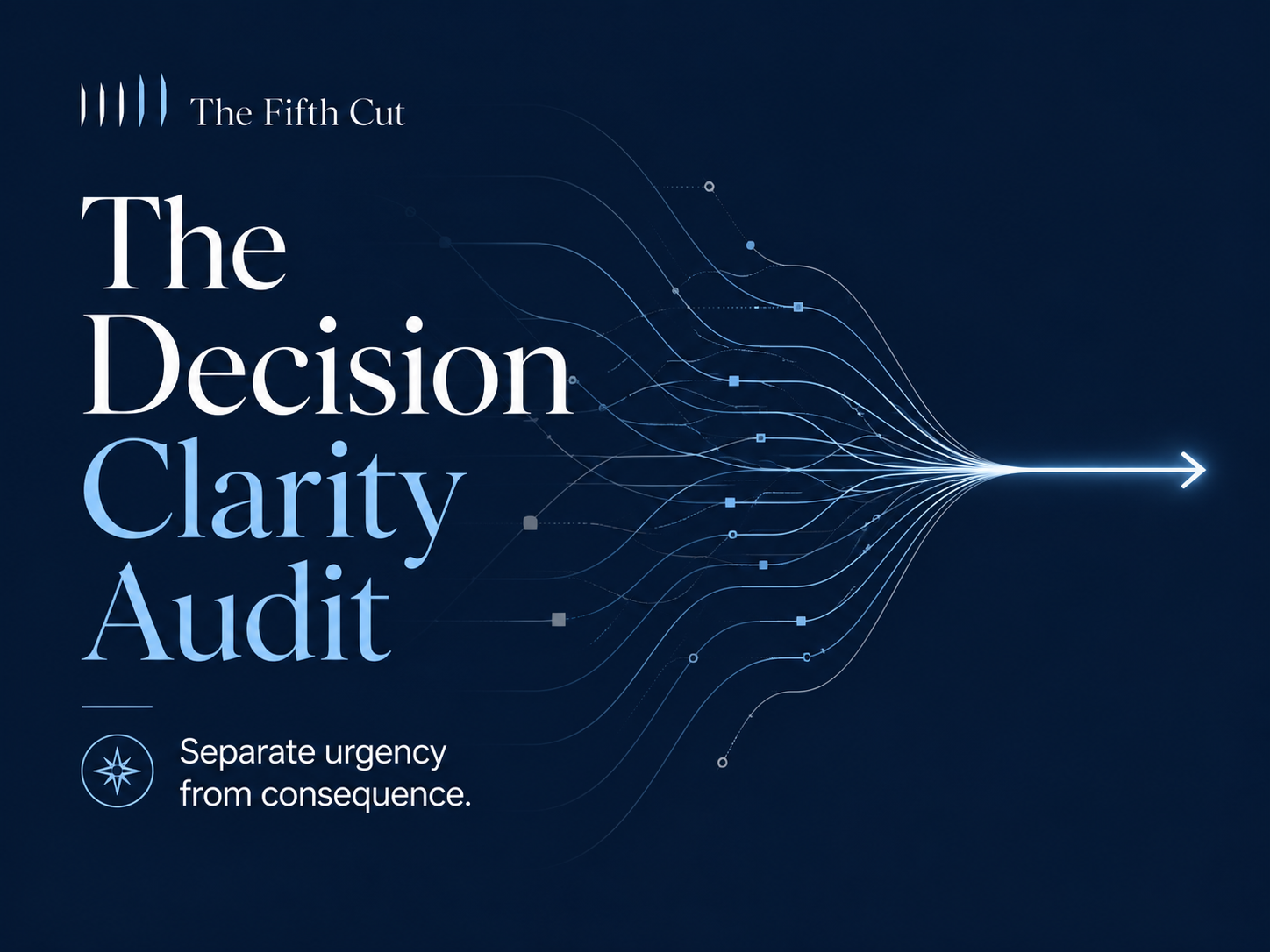
The Decision Clarity Audit
Clarify the real issue, test assumptions, assess risk and choose the next responsible step.

Strategic Stakeholder Management
Map key stakeholders, understand formal and informal influence, and build a focused engagement plan for gaining support and navigating resistance.
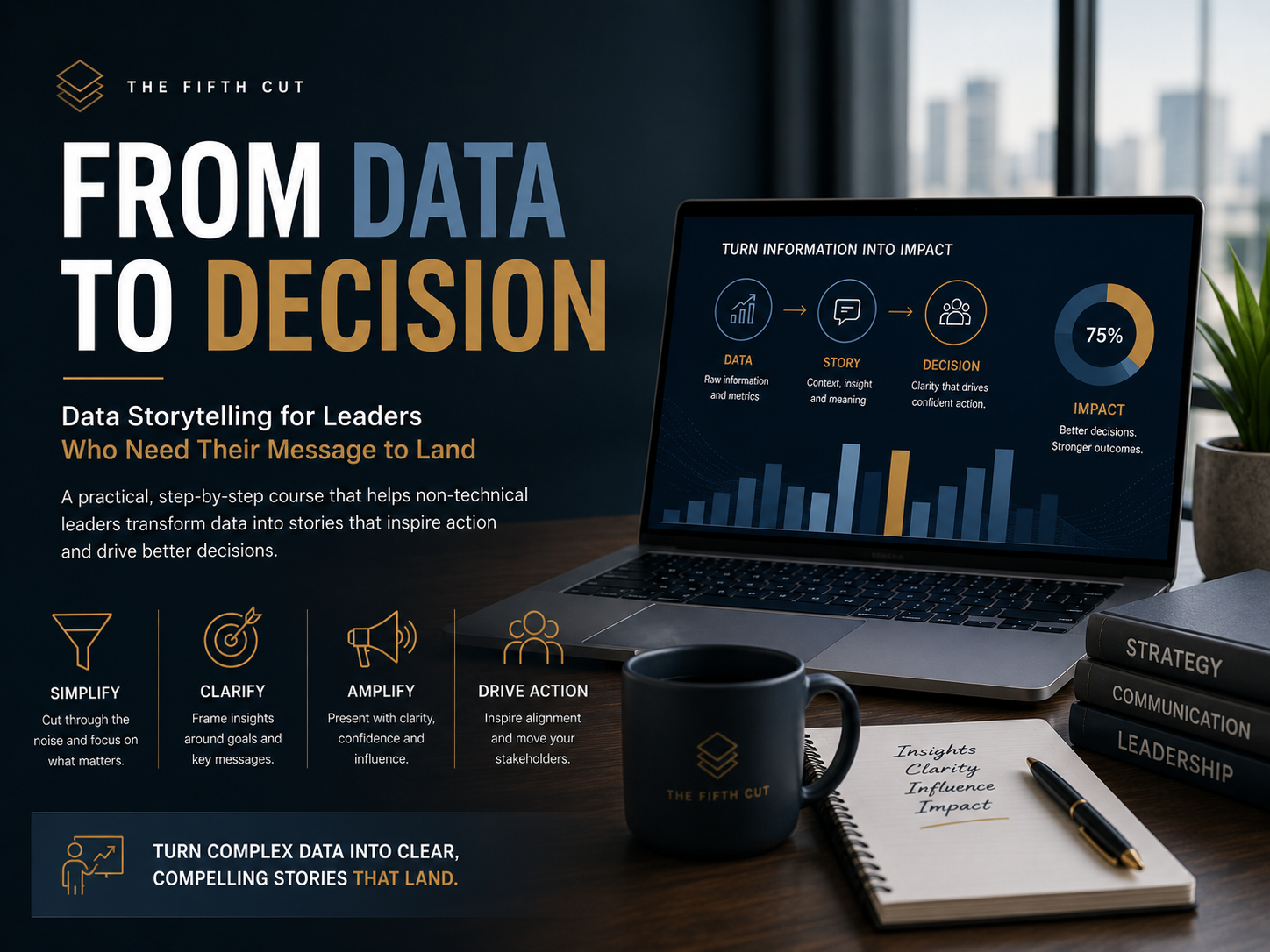
From Data to Decision: Data Storytelling for Leaders
Turn complex information into clear leadership messages that support better understanding and stronger decisions.
STILL NOT SURE IF WISDOM IS THE ISSUE?
Start with the Leadership Layer Audit.
The audit helps you identify whether the friction sits in capability, momentum, presence, wisdom or legacy, then points you towards the most useful next step.