CUT FIVE
Legacy
When the issue is not short-term performance, but what your leadership builds, reinforces and leaves behind.

WHAT THIS CUT REVEALS
Legacy is the layer of standards, systems and lasting impact.
When legacy is the issue, the leader may be achieving short-term results, but the team, culture or system remains too dependent on them. The real question is whether their leadership is building stronger capability, clearer standards and healthier habits that continue beyond the immediate moment.
Standards
The behaviours, expectations and non-negotiables that are consistently reinforced.
Systems
The structures, routines and ways of working that help good leadership continue.
Lasting impact
The capability, culture and confidence that remain after the leader steps back.
WHEN THIS IS THE ISSUE
Legacy gaps often look like results that do not hold once attention moves elsewhere.
The leader may be working hard and achieving short-term outcomes, but the change is not becoming embedded. Standards weaken, ownership fades or the team continues relying on the leader to keep everything moving.
Typical signs
Progress depends too heavily on one person
Standards weaken when attention moves elsewhere
Knowledge is not transferred
The team avoids ownership or waits for direction
Short-term results are not becoming lasting habits

WHAT MAKES LEGACY GAPS WORSE
Short-term success can hide long-term dependence.
Legacy problems often persist because leaders keep holding the system together themselves. The immediate result may improve, but the team does not build the ownership, habits or standards needed to sustain progress without constant intervention.
Carrying too much
The leader keeps solving the problem personally instead of building shared capability.
Systems
Standards are stated clearly once, but not repeated, modelled or followed through.
Mistaking completion for embedment
The task is finished, but the behaviour, system or expectation has not become normal practice.
WHAT HELPS AT THIS LAYER
Legacy improves when good standards become repeatable systems.
The answer is not simply doing more yourself. Leaders need to make expectations visible, transfer knowledge, build ownership and reinforce the behaviours that should continue after the immediate pressure has passed.
Visible standards
Clear expectations that are repeated, modelled and reinforced.
Shared ownership
Responsibility that is distributed rather than held by one person.
Embedded habits
Practices, routines and behaviours that continue without constant prompting.

RECOMMENDED NEXT STEPS
Start with the tools that help standards, ownership and culture hold over time.
These resources help leaders reinforce expectations, build stronger habits and prevent important changes from fading once the immediate pressure has passed.
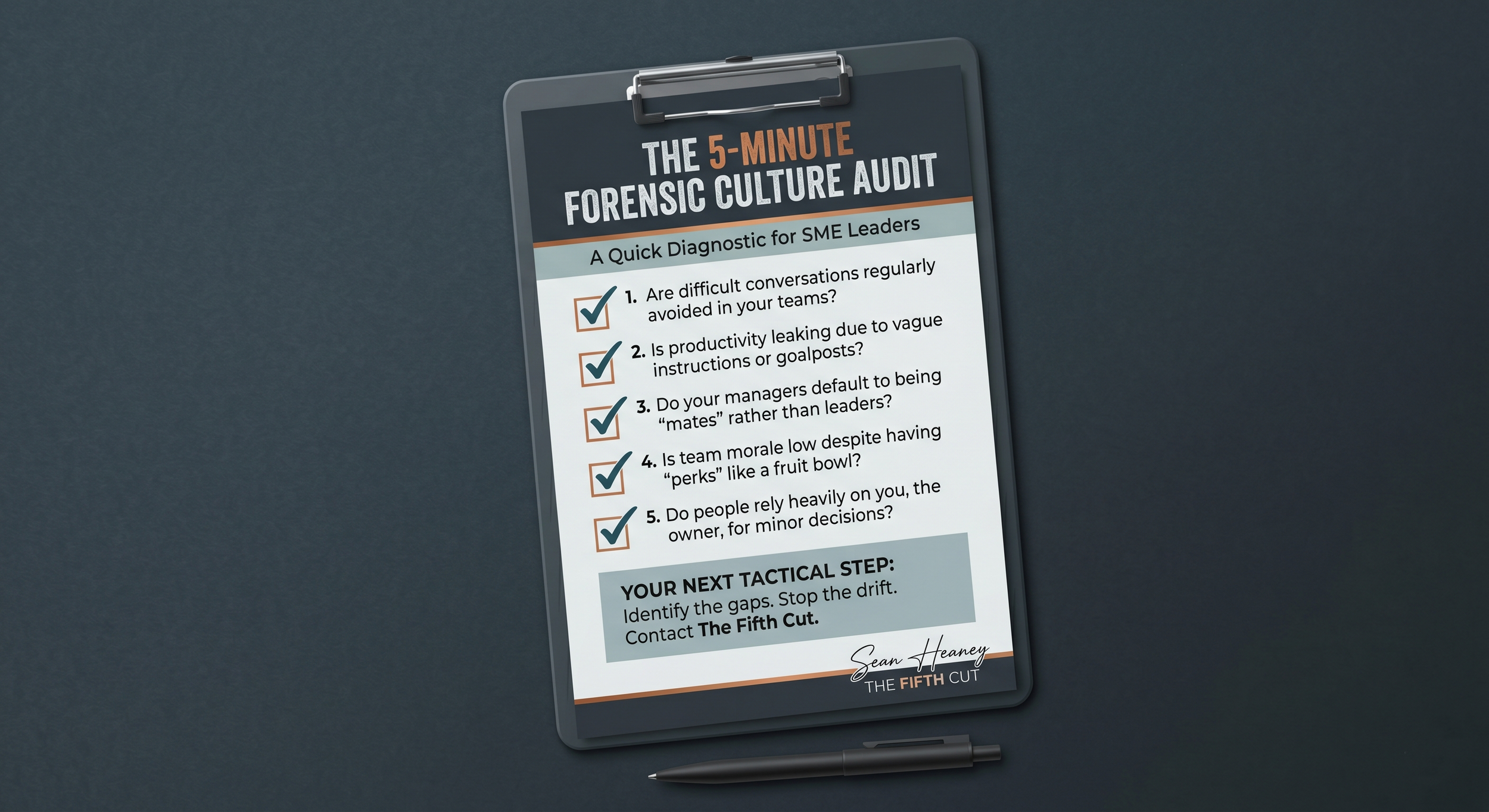
The 5-Minute Forensic Culture Audit
Identify the small signals that reveal whether culture, standards and ownership are strengthening or quietly drifting.
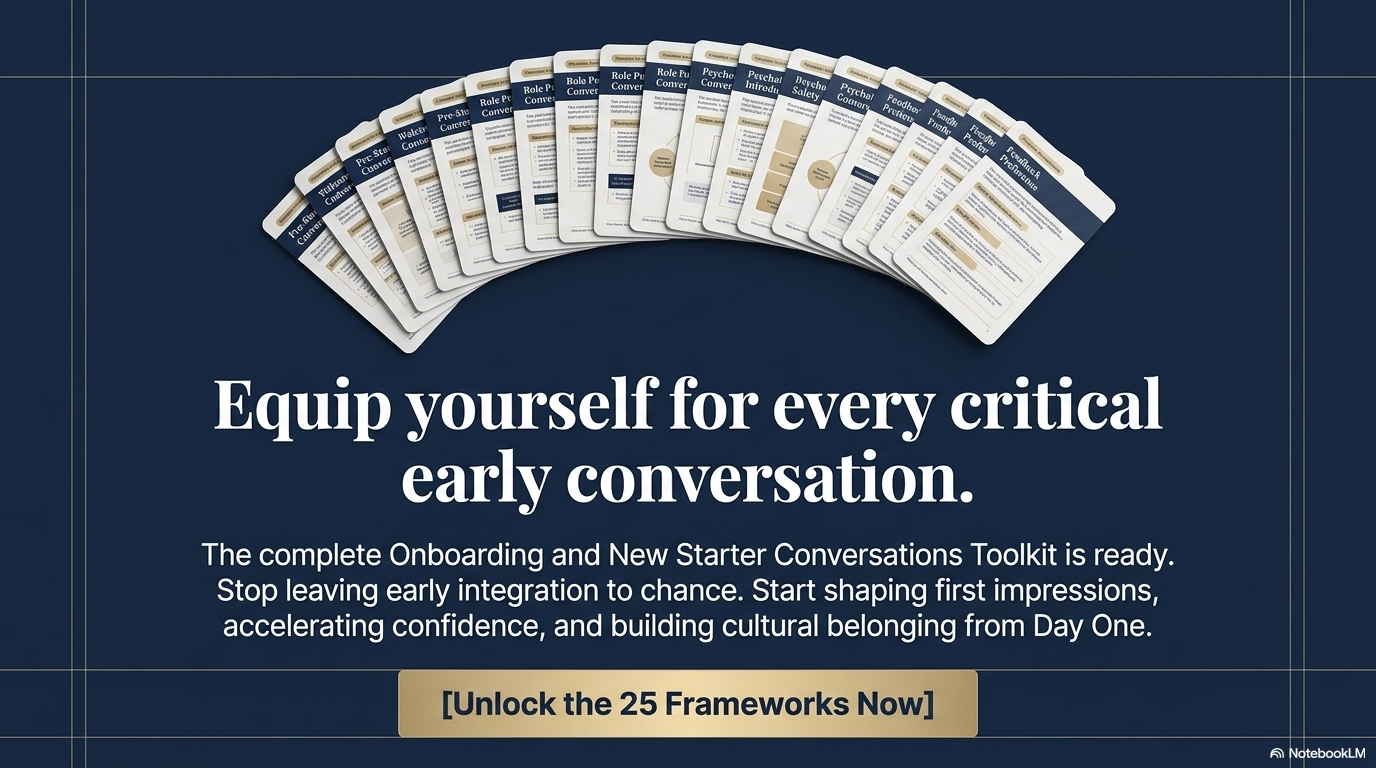
Onboarding and New Starter Conversations Toolkit
Use structured conversations to build clarity, confidence and cultural expectations from the beginning.

The Aftermath System™
Lead the period after a difficult conversation, decision or intervention so behaviour is tracked, reinforced and reset when needed.
STILL NOT SURE IF LEGACY IS THE ISSUE?
Start with the Leadership Layer Audit.
The audit helps you identify whether the friction sits in capability, momentum, presence, wisdom or legacy, then points you towards the most useful next step.