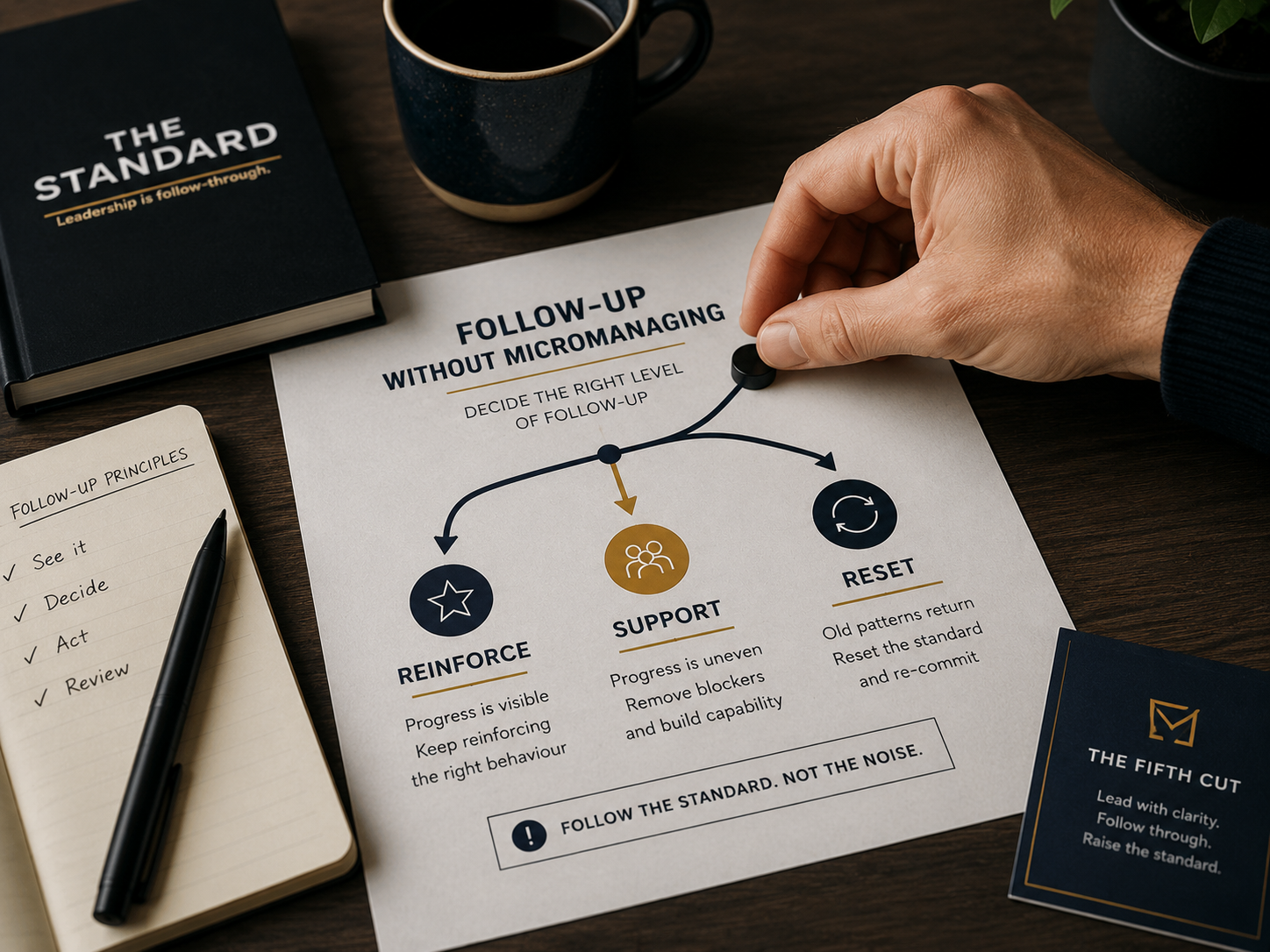
How To Follow Up Without Micromanaging
Following up after a difficult conversation or team reset does not have to become micromanagement. This article explains how managers can keep expectations clear, reinforce progress and address behaviour drift without hovering or overreacting.
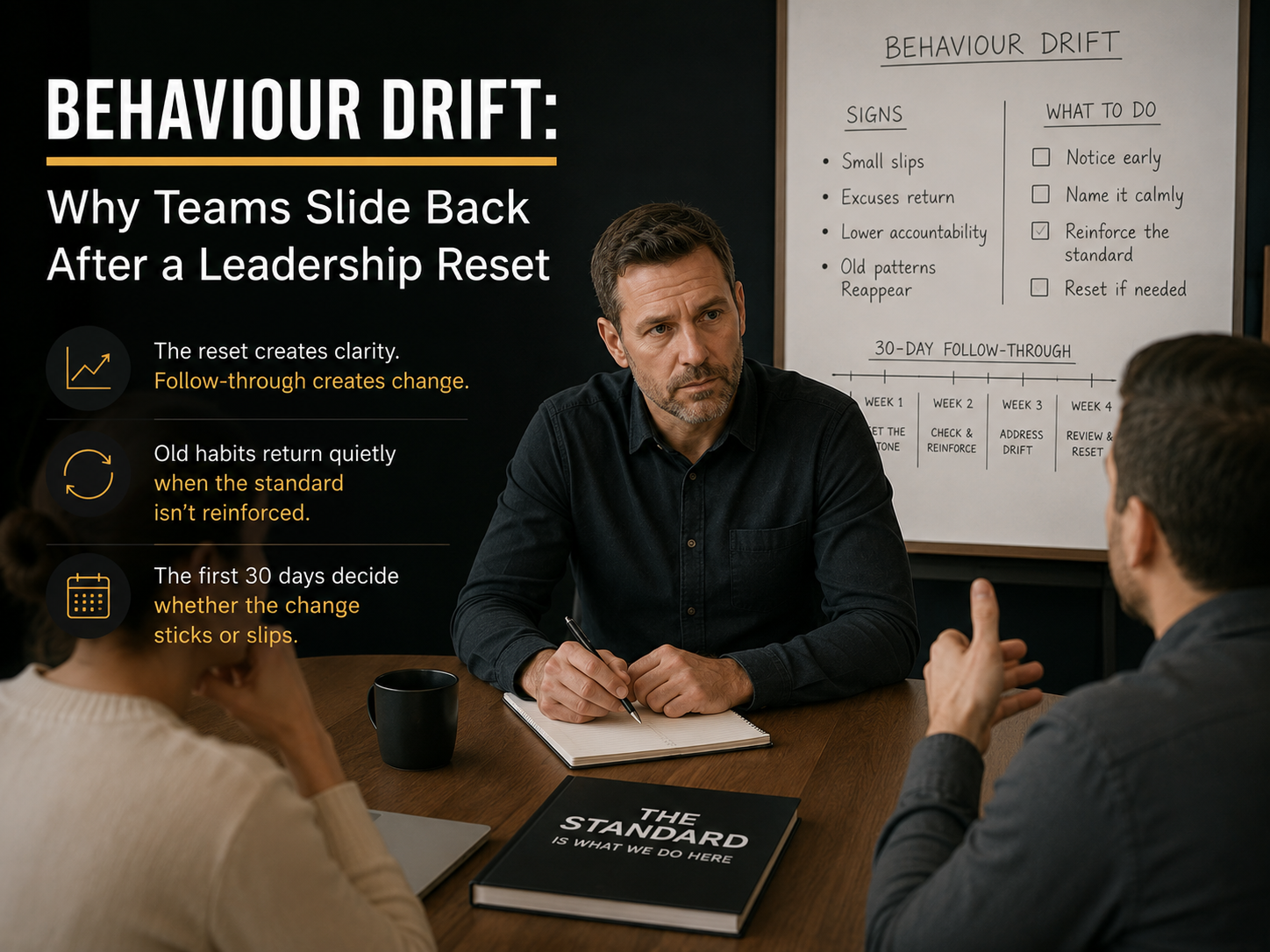
Behaviour Drift: Why Teams Slide Back After a Leadership Reset
Behaviour drift is the quiet return to old habits after a leadership reset. This article explains why teams slide back, why managers often miss the early signs and how structured follow-through helps keep the standard alive.
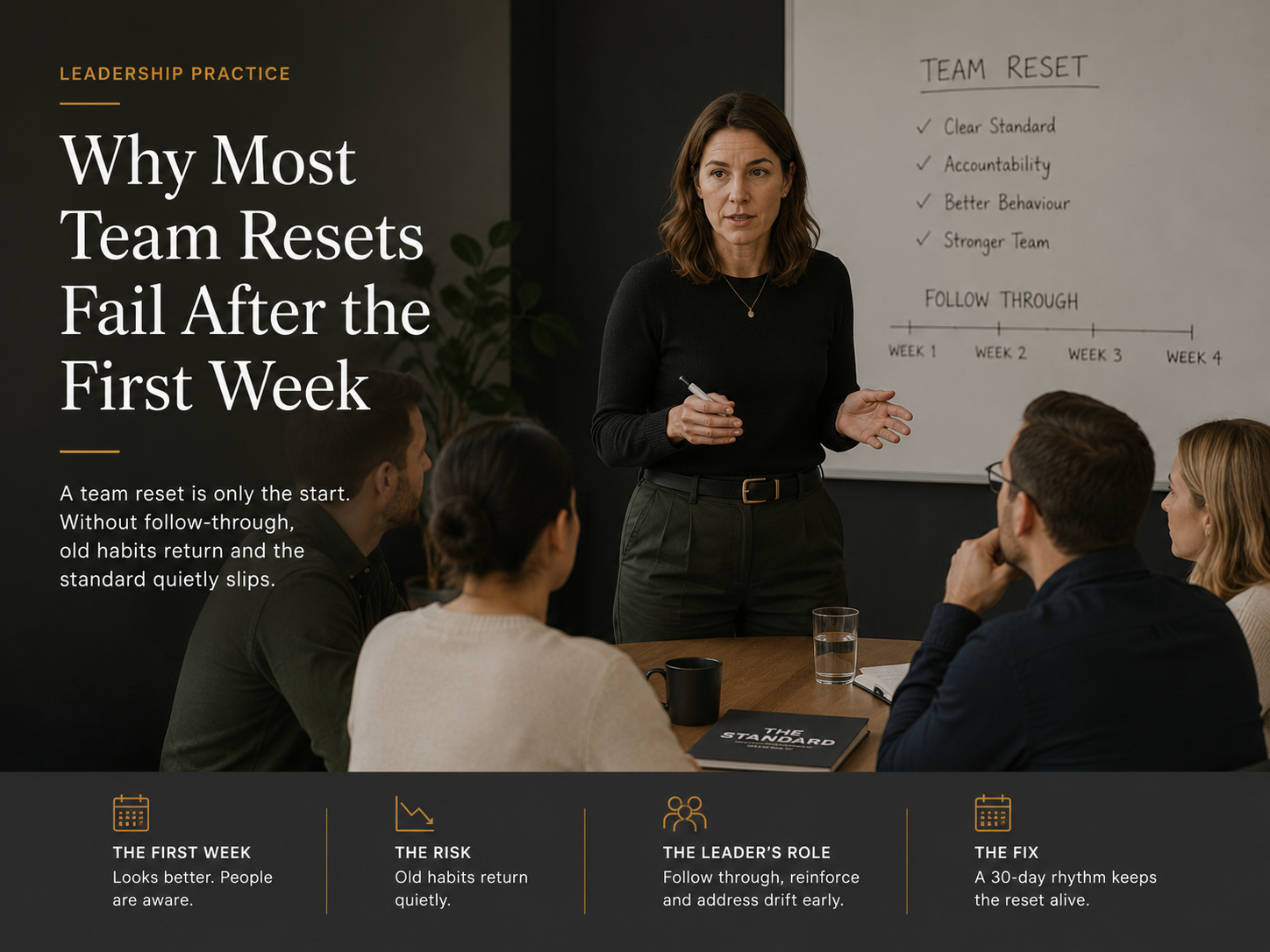
Why Most Team Resets Fail After the First Week
Most team resets feel useful in the moment, but many fail once the first week passes. This article explains why old habits return quietly, why managers step back too soon and how a simple 30-day follow-through rhythm can keep the standard alive.
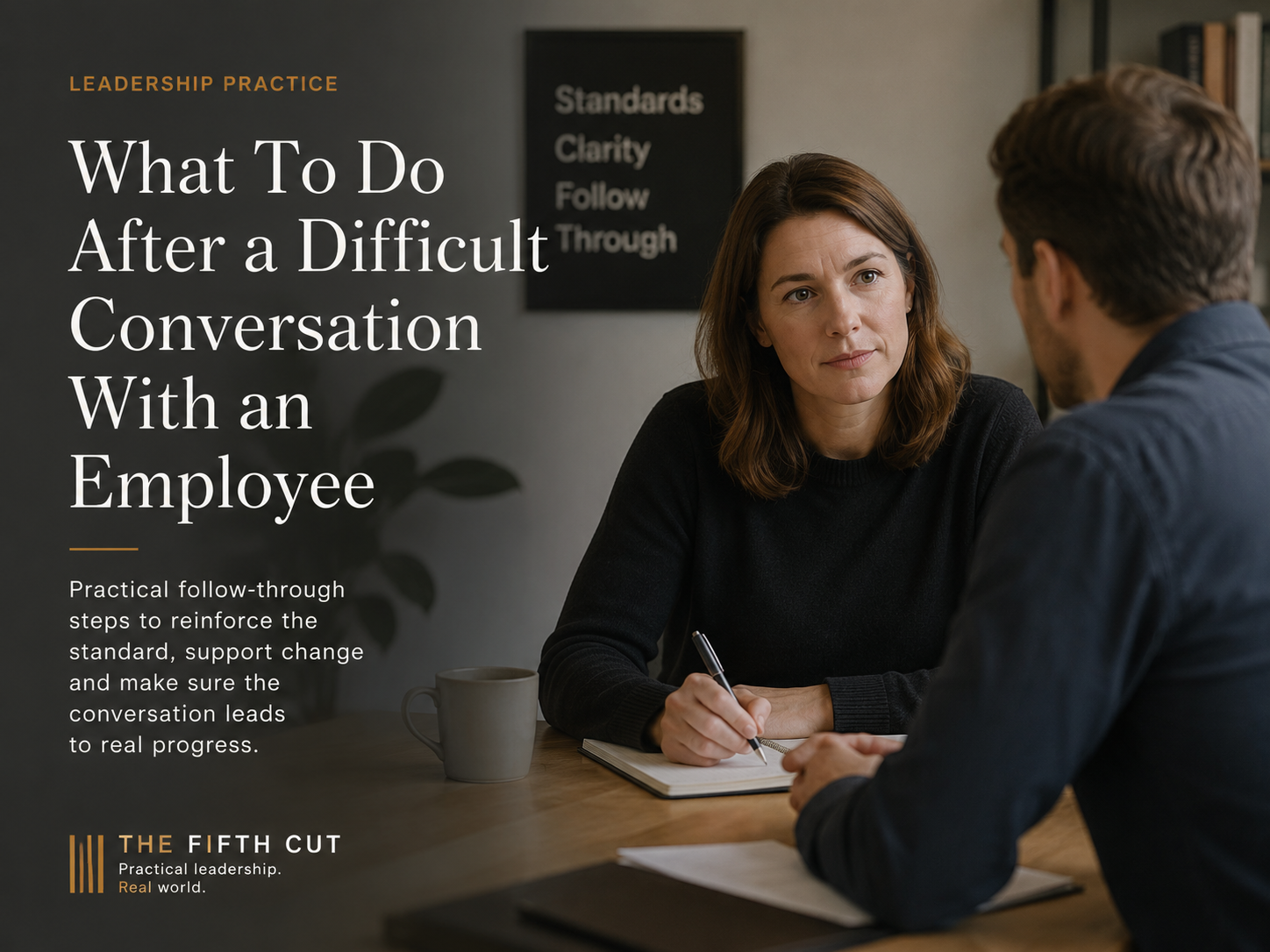
What To Do After a Difficult Conversation With an Employee
Most managers focus on getting through the difficult conversation, but the real leadership work happens afterwards. This article explains how to follow up with clarity, watch for behaviour drift, reinforce progress and keep the standard alive without micromanaging.
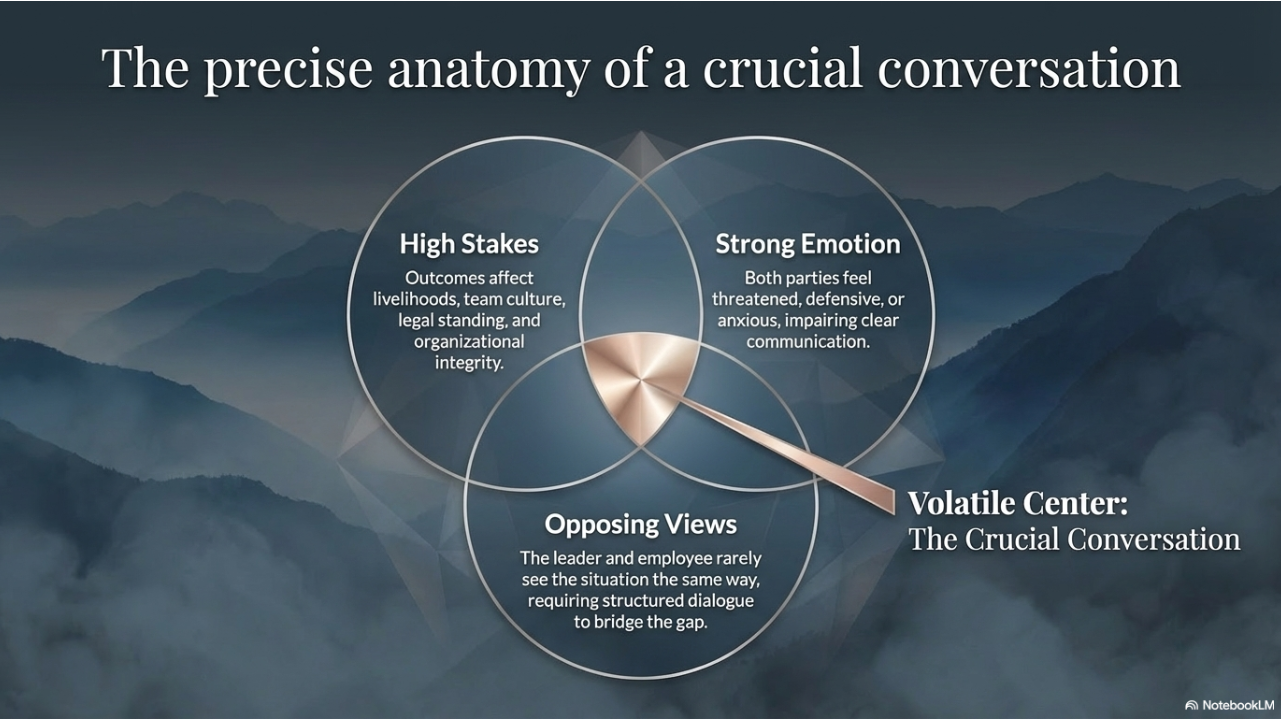
How to Handle Difficult Conversations Without Making Things Worse
Learn how to handle difficult conversations with confidence using practical communication strategies and planning tools for leaders.
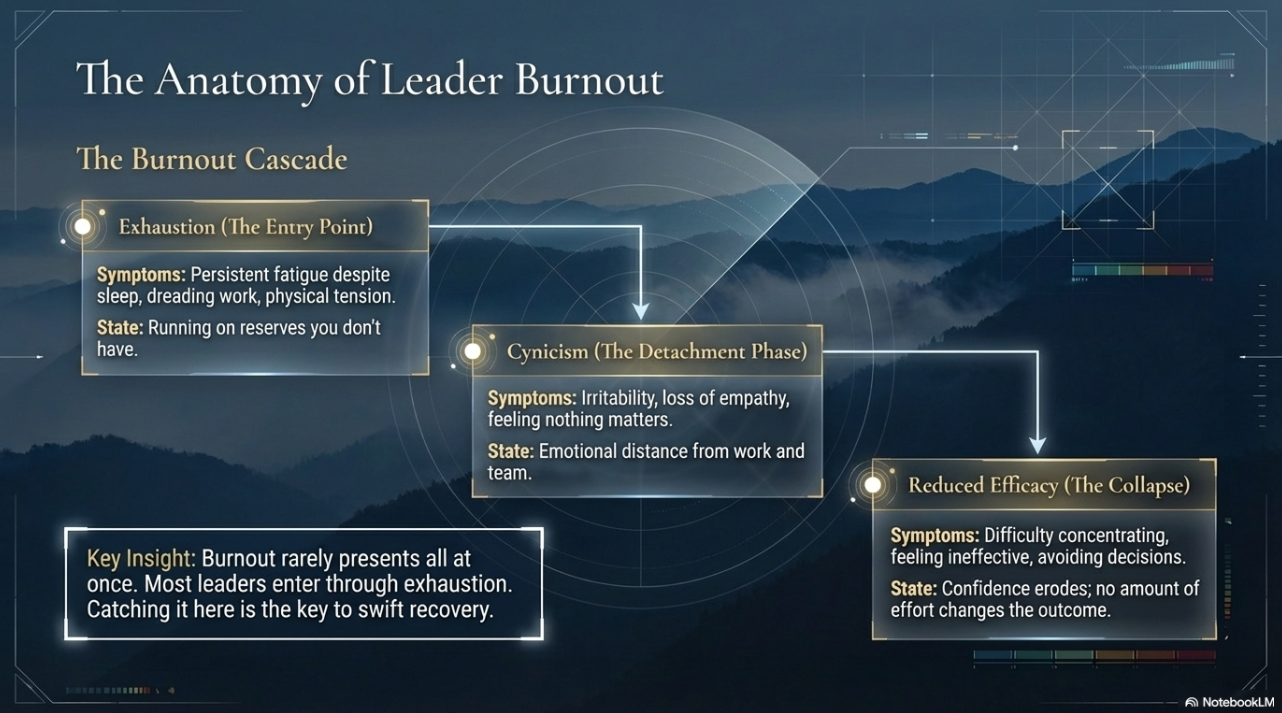
The Early Signs of Burnout Most Leaders Ignore (Until It’s Too Late)
Discover the early warning signs of burnout and learn how to prevent it with practical tools that help leaders manage stress, energy, and performance.
How to Deal With a Toxic Employee Without Losing Control or Authority
Learn how to manage toxic employees with confidence using practical leadership strategies and structured tools to protect team culture and performance.




Emerging Principles in Organisational Psychology: The Rise of Digital Phenotyping via NeuroTech
Organisational psychology is moving beyond surveys into real-time human data. Digital phenotyping uses AI and wearables to track cognitive load and stress. Explore how this NeuroTech trend helps leaders improve empathy, focus, and ethical decision-making in the modern workplace.

When Brilliance Breaks: How to Lead the Fragile High Performer Without Losing Them
Some employees deliver exceptional results but experience feedback, conflict and uncertainty intensely. Learn how to protect both accountability and trust without lowering the standard.
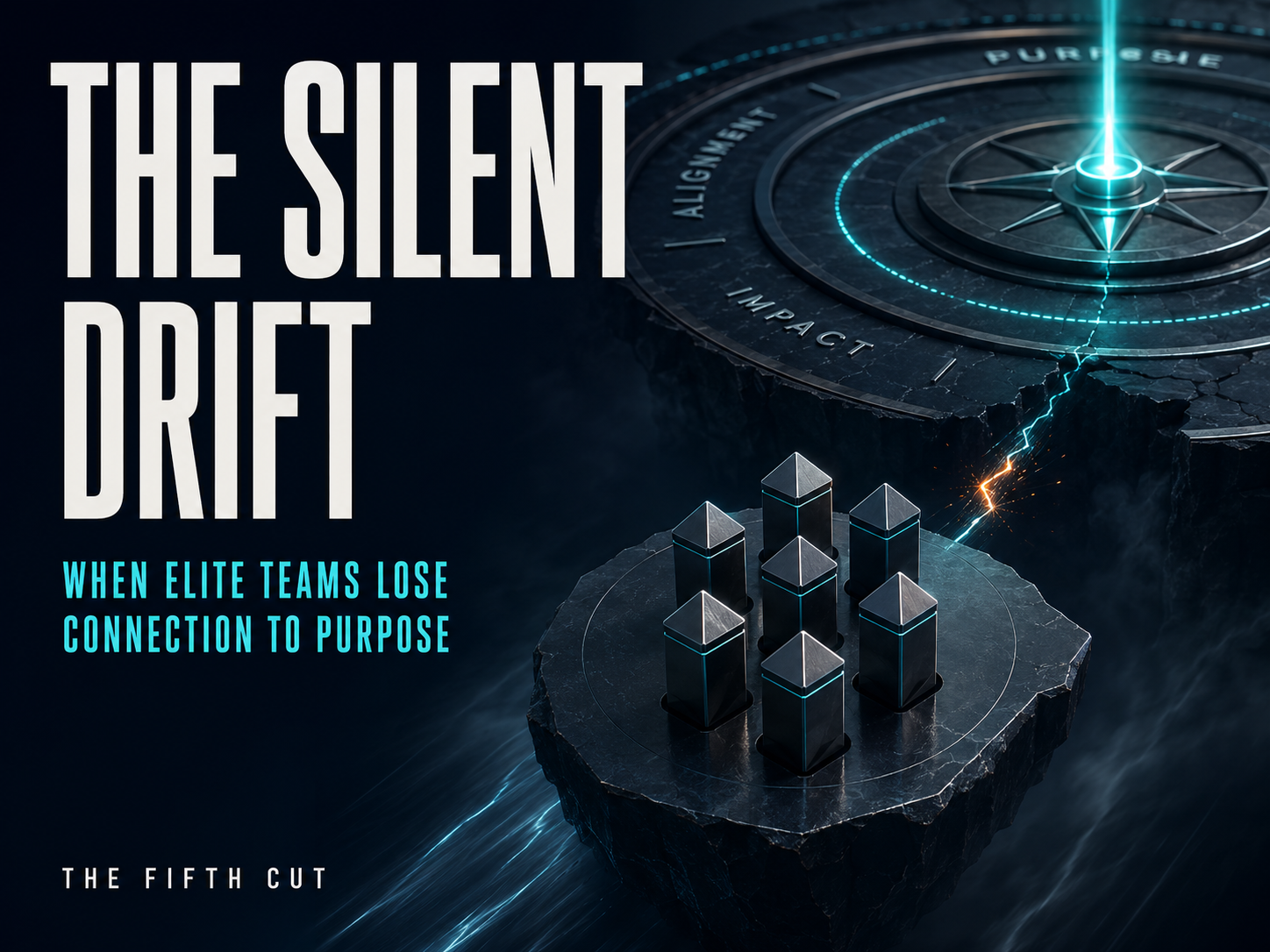
⚖️ The Silent Drift: When Elite Teams Lose Connection to Purpose
High-performing teams rarely lose their way through sudden failure. The danger is gradual cultural drift, where autonomy becomes isolation, pride becomes protection and performance begins to excuse disconnection.
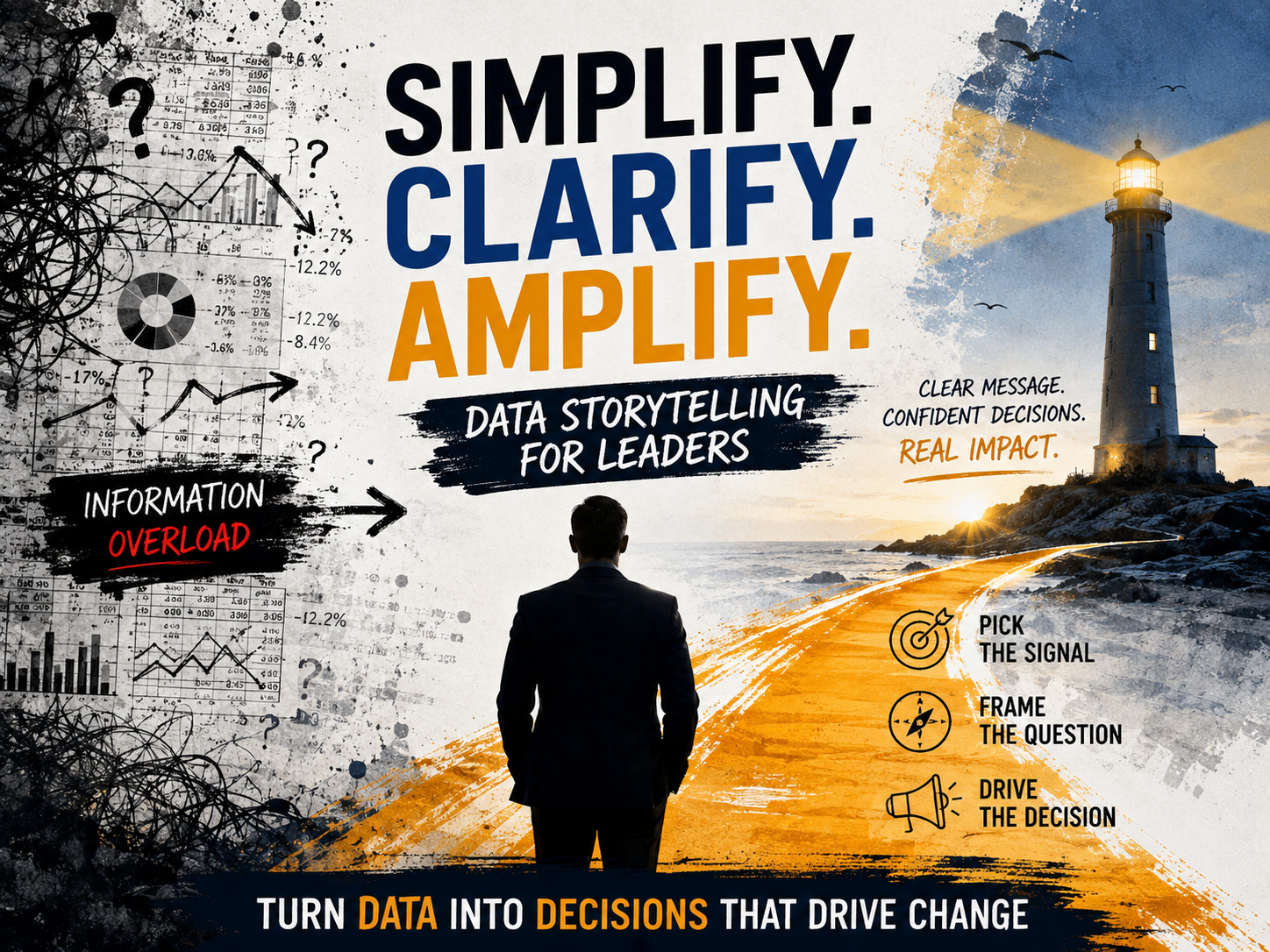
Simplify, Clarify, Amplify: Data Storytelling for Leaders
Data does not drive decisions by itself. Leaders need to simplify the signal, clarify the question and make the required action visible. Use these practical frameworks to turn complex information into clearer decisions.

From Invisible Leader to Irresistible Authority.
Capable leaders are often overlooked not because they lack skill, but because their authority is not being felt. Learn practical ways to strengthen presence, boundaries, language and confidence without becoming louder or more performative.
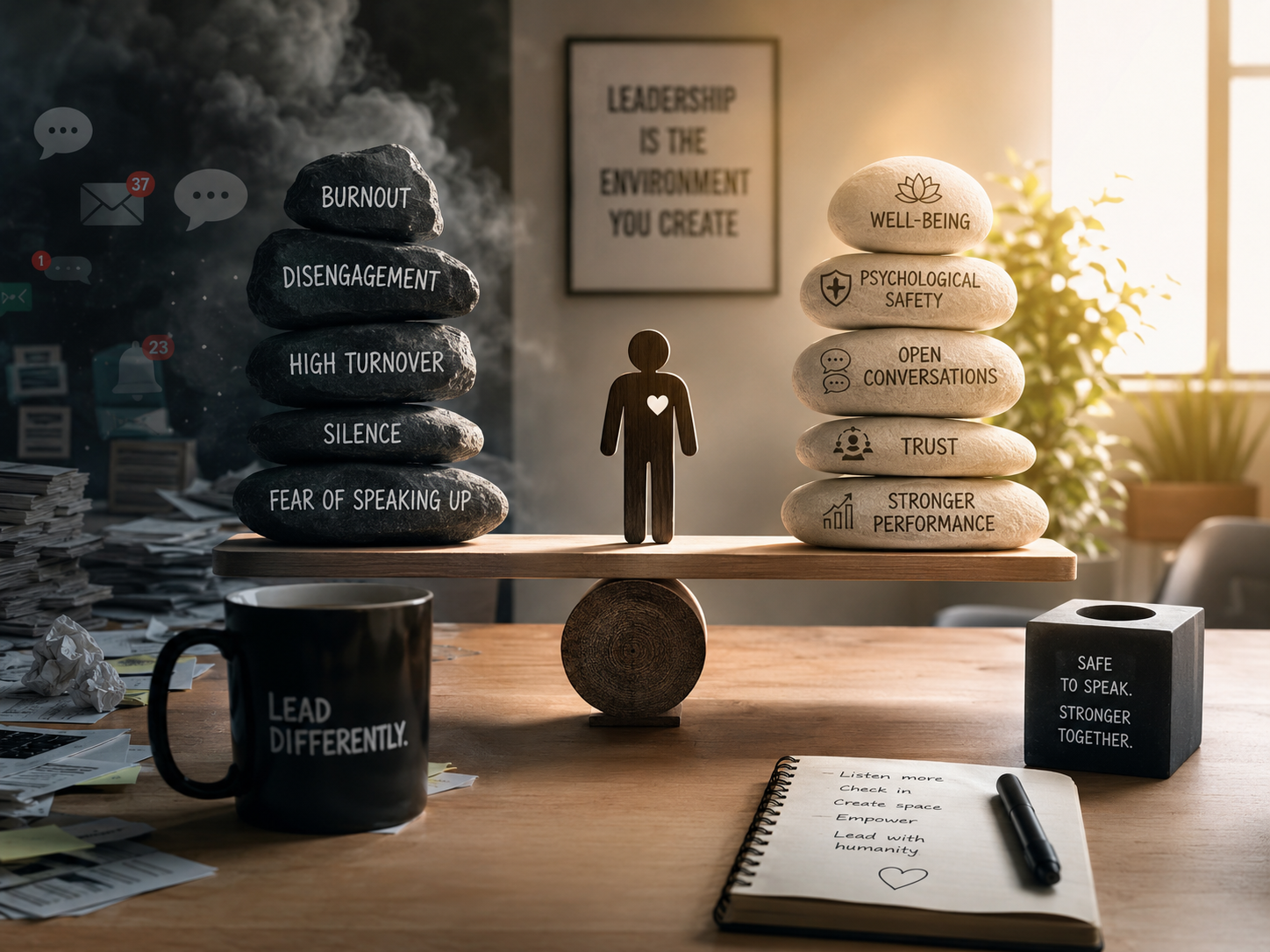
The Hidden Cost of Ignoring Well-Being and Psychological Safety in Leadership
Psychological safety and leadership wellbeing are not side issues. They shape trust, communication, performance and whether people feel safe to speak up. Explore five practical ways leaders can build healthier, more accountable teams.
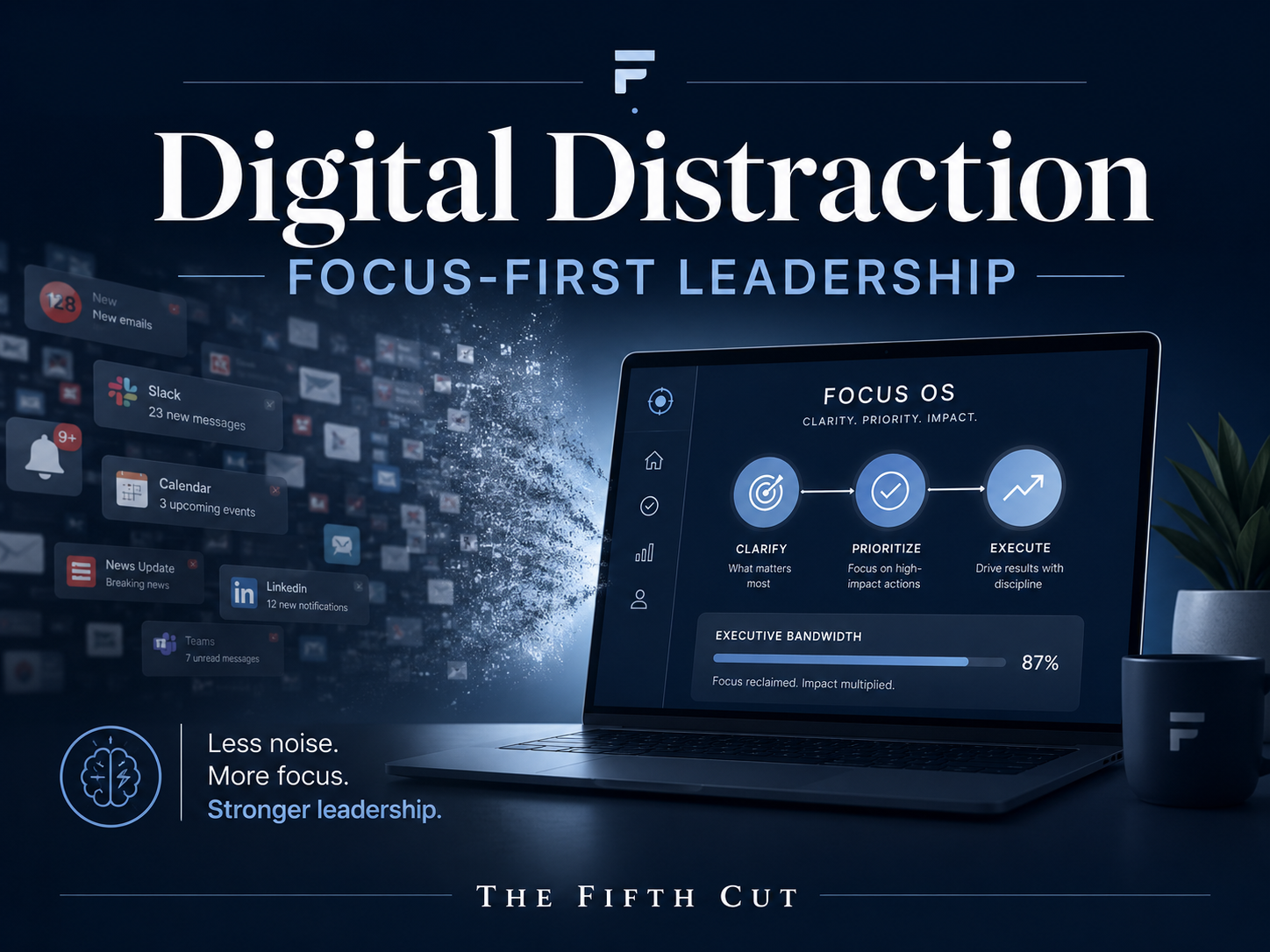
From Digital Distraction to Focus-First Leadership 🚀
Digital distraction does more than reduce productivity. It fragments attention, weakens follow-through and shapes the way your team works. Learn practical ways to protect focus, define urgency and create stronger leadership rhythms.
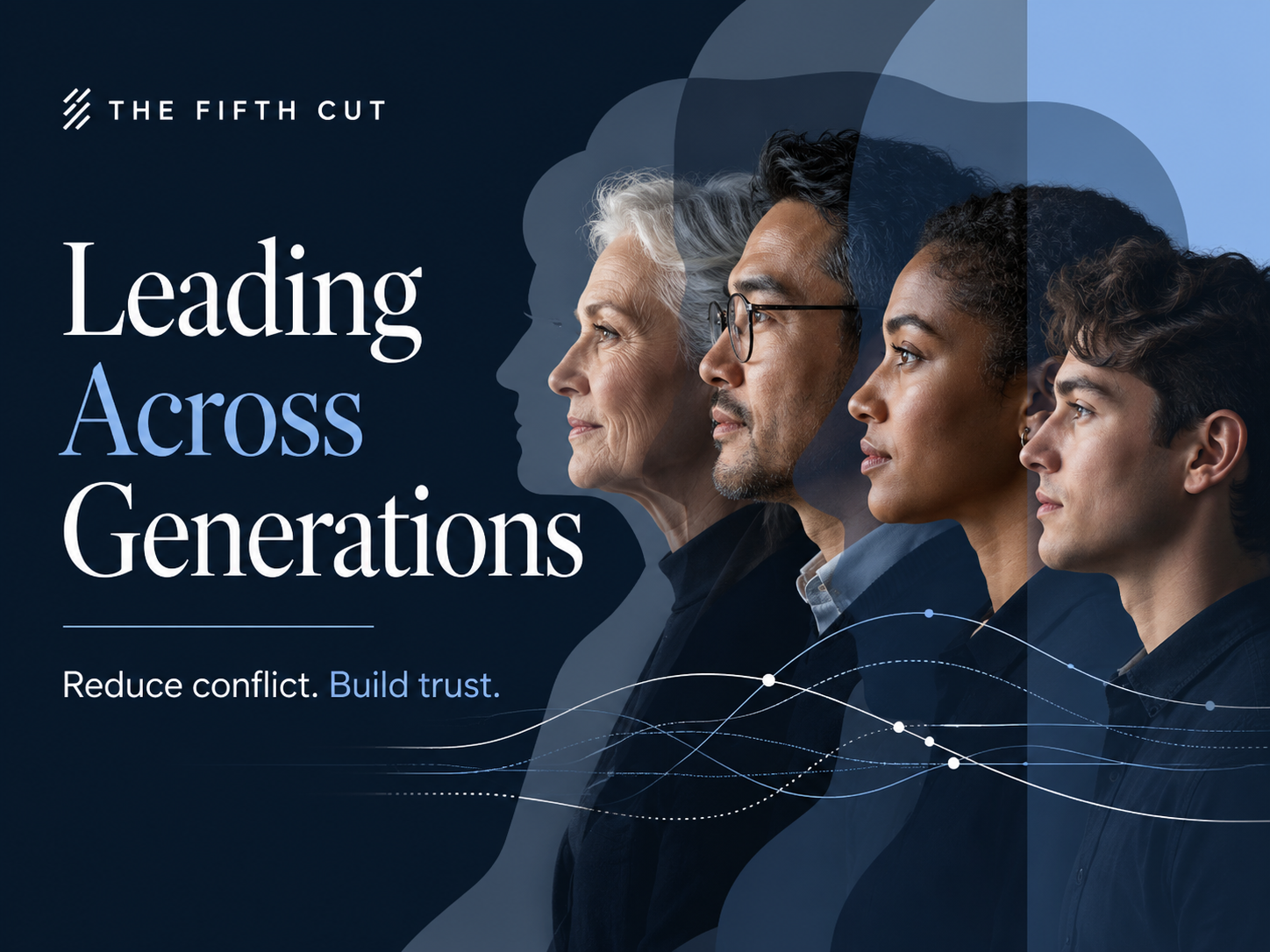
From Friction to Fuel: How to Lead Across Generations Without Losing Time, Talent, or Trust
Generational friction is rarely just about age. Learn how to uncover the values, life-stage pressures and identity issues behind workplace tension, then use practical frameworks to build trust and improve performance across generations.